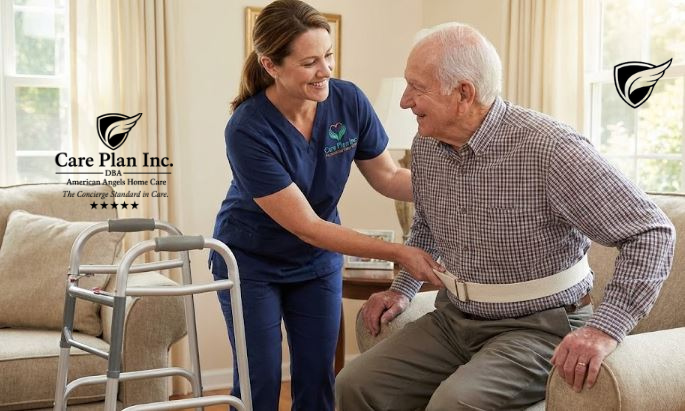
For distinguished families in Southeast Michigan, spanning the historic waterfront estates of Grosse Pointe to the refined neighborhoods of Bloomfield Hills and Birmingham, the decision to bring a caregiver into the home is deeply personal. It is an act of trust that requires more than just a background check. In 2026, the standard for elite home support has evolved. Families no longer seek a simple sitter. They demand a high-quality professional who embodies private duty caregiver qualities such as clinical intuition, emotional intelligence, and unwavering discretion. Finding the right individual is the cornerstone of a successful aging in place strategy.
At Care Plan Inc., we advocate for a nurse led private duty home care model. In this framework, caregivers are not independent operators; they are clinical extensions of a plan developed and supervised by a licensed Registered Nurse (RN). In Michigan, where the non-medical home care market remains largely unregulated, the quality of the caregiver is directly tied to the authority and training provided by their agency. This guide provides an authoritative roadmap for families in Oakland and Wayne Counties seeking to identify the hallmarks of professional excellence in private duty support.
Understanding the hiring caregiver red flags is essential for families to ensure the safety and quality of care for their loved ones. Being aware of these signs can help prevent potential issues and promote an optimal caregiving experience. Recognizing these hiring caregiver red flags will empower families to make informed decisions and facilitate a successful caregiving relationship.
The Clinical Role of the Private Duty Caregiver
The role of a private duty caregiver is multifaceted, balancing the logistical needs of the household with the physiological needs of the senior. While they do not perform medical procedures, their observations serve as the primary data points for the clinical team. A high-quality caregiver recognizes that their presence is a vital intervention designed to prevent decline and promote stability.
Responsibilities Beyond Basic Care
In a concierge model, the caregiver’s responsibilities include metabolic monitoring (tracking hydration and nutritional intake), mobility assistance (implementing fall prevention protocols), and cognitive engagement. For a senior in Northville or Troy, this means the caregiver is actively working to maintain the senior’s functional independence. They are trained to identify subtle shifts in health, such as a change in skin turgor or a minor decrease in verbal clarity, which are often the first signs of a medical issue like a urinary tract infection or respiratory distress.
Essential Private Duty Caregiver Qualities
While skills can be taught, the core qualities of a high-quality caregiver are often innate. When vetting professionals for your parent’s Grosse Pointe Shores home, look for these three clinical and character-based pillars.
1. Clinical Compassion and Empathy
Empathy in caregiving is not just about being kind; it is a clinical tool. According to the National Institute on Aging (NIA), seniors who feel understood and emotionally supported have lower cortisol levels and better cardiovascular outcomes. A caregiver with high emotional intelligence can read the non-verbal cues of a senior with dementia, reducing the agitation and anxiety that often lead to behavioral crises. This “clinical empathy” allows the caregiver to provide support that feels respectful rather than intrusive.
2. Reliability and Professional Consistency
For a senior, consistency is the foundation of security. A high-quality caregiver understands that punctuality and adherence to the care plan are non-negotiable. Reliability is especially critical for seniors in West Bloomfield or Birmingham who may have complex medication schedules or physical therapy appointments. Consistency also extends to the quality of the work. Every meal should meet the nutritional standards set by the RN, and every transfer must follow the safety protocols established during the initial assessment.
3. Clinical Triage and Problem-Solving
The home environment is unpredictable. A high-quality caregiver must be an expert problem-solver. If a senior suddenly refuses a meal or shows signs of dizziness, the caregiver must know exactly how to respond within the nurse led framework. They do not guess; they triage the situation and communicate with the supervising RN immediately. This proactive communication is what prevents emergency room visits and keeps seniors safe in their residences.
| Quality | Clinical Application | Benefit to the Family |
|---|---|---|
| Active Listening | Identifying subtle health complaints. | Early detection of complications. |
| Physical Stamina | Safe transfers and mobility support. | Zero falls and injury prevention. |
| Cultural Competence | Respecting the family’s traditions. | Lower stress and higher trust. |
| Discretion | Protecting the senior’s privacy. | Asset and reputation protection. |
The Importance of Communication and Active Listening
Communication is the bridge between the home and the medical team. A high-quality caregiver must be an expert at active listening. This means they are not just waiting for their turn to speak; they are observing the senior’s verbal and non-verbal feedback. This skill is vital for families in high-value Southeast Michigan communities where the senior may be accustomed to a high level of social engagement.
Facilitating the RN Feedback Loop
In a nurse led private duty home care model, the caregiver acts as the “eyes and ears” for the Registered Nurse. They maintain daily logs that track everything from sleep patterns to appetite. This documentation allows the nurse to identify trends over time. If a senior in Bloomfield Hills shows a slow decline in mobility over a week, the nurse can intervene with a physical therapy referral before a fall occurs. Without a caregiver who prioritizes clear communication, this clinical oversight is impossible.
Training and Certification: Navigating the Michigan Gap
Families must understand that Michigan does not require a state license for home care agencies. This makes the agency’s internal training protocols the only measure of quality. A high-quality caregiver should possess certifications that demonstrate their commitment to the profession.
Relevant Certifications to Look For
While not every caregiver is a Certified Nursing Assistant (CNA), the best caregivers pursue ongoing education. Look for professionals who have specialized training in:
- Dementia and Alzheimer’s Care: Using behavioral de-escalation and cognitive stimulation techniques.
- Fall Prevention (STEADI): Following CDC guidelines for environmental safety.
- CPR and First Aid: Ensuring they can manage an acute crisis while waiting for first responders.
At Care Plan Inc., we supplement our caregivers’ experience with clinical training modules overseen by our nursing staff. This ensures that the private duty caregiver qualities you see in the home are backed by professional competence.
Cultural Competence and Discretion
High-net-worth families in Grosse Pointe and Bloomfield Hills often require a higher level of discretion. A high-quality caregiver understands the importance of maintaining professional boundaries and protecting the senior’s privacy. They act as a “household concierge,” blending into the home environment while providing essential support.
Respecting the Senior’s History
Cultural competence means more than just understanding different backgrounds. It means respecting the senior’s specific lifestyle and history. If a client in Birmingham values intellectual discourse, the caregiver should be intellectual and engaged. If a client in Northville prefers a quiet, meditative environment, the caregiver should adapt their energy accordingly. This adaptability is the hallmark of a truly concierge professional.
The Agency Advantage: Liability and Protection
Choosing a caregiver is also a financial and legal decision. Many families consider hiring independent “private” workers to save on costs. However, this model carries significant risks. According to the IRS Publication 926, most independent caregivers are household employees. This means the family is responsible for payroll taxes, FICA, and workers’ compensation.
Protecting the Family Estate
Engaging with a professional agency like Care Plan Inc. transfers this liability to the provider. We directly employ our staff, manage all taxes, and provide comprehensive professional liability insurance. This protects the family estate from legal suits in the event of an on-the-job injury or a medical error. For seniors in high-value Michigan communities, this protection of family wealth is as critical as the protection of their physical health. It provides a level of professional discretion and security that independent hiring simply cannot offer.
Recognizing Warning Signs: What to Avoid
Part of finding a high-quality caregiver is knowing what to avoid. Families should be vigilant for “red flags” that indicate a caregiver may not be a fit for a high-acuity or concierge environment. These include:
- Inconsistent Communication: Failing to document daily activities or missing check-ins with the RN.
- Lack of Empathy: Treating tasks as a checklist rather than engaging with the senior as a person.
- Safety Neglect: Leaving pathways cluttered or failing to use proper transfer techniques.
- Unprofessional Boundaries: Discussing personal problems or financial issues with the senior.
If you are ready to evaluate a professional, nurse led approach for your parent, the most effective next step is to start an intake to have a Registered Nurse assess your needs.
Conclusion: The Path to Clinical Stability
A high-quality caregiver is more than a helper; they are a vital component of your parent’s health team. By prioritizing private duty caregiver qualities such as empathy, reliability, and clinical intuition, families in Southeast Michigan can ensure their loved ones age in place with dignity and safety. Choosing a nurse led model provides the authoritative oversight that these qualities require to be effective. Do not wait for a medical emergency to define your parent’s care plan. Engage with professionals today to build a roadmap for stability, quality of life, and clinical peace of mind.
Frequently Asked Questions
How is a private duty caregiver different from a medical nurse?
A private duty caregiver provides non-medical assistance with daily life (bathing, dressing, meal prep) and safety supervision. A medical nurse (RN or LPN) performs clinical tasks like wound care or IV therapy. In our model, the caregiver performs the daily work under the direct supervision of the nurse.
Does Medicare pay for high-quality private duty care?
No. Medicare covers short-term, acute medical home health. Long-term private duty care, which focuses on 1:1 safety and daily assistance, is typically funded privately or through long-term care insurance (LTCI).
How do I know if a caregiver is trustworthy?
The best way is to utilize an employee-based agency that performs rigorous criminal background checks, reference verifications, and regular nurse supervision. Trust is built through transparency and professional accountability.
Can I request a different caregiver if it is not a good match?
Yes. In a concierge model, personality compatibility is vital. A professional agency will manage the transition to a different professional who better matches your parent’s temperament and intellectual needs.
How many hours of care are typically required?
This varies based on the clinical assessment. Some families start with 12 to 20 hours a week for social engagement and errands. Others require 24/7 “awake” supervision for seniors with high fall risks or advanced dementia. An RN assessment is the best way to determine the correct level of care.
If you would like to learn whether nurse led private duty care is the right choice for your family, please request more information below.