For distinguished families in Southeast Michigan, spanning the refined neighborhoods of Bloomfield Hills and Birmingham to the historic waterfront estates of Grosse Pointe, the health of an aging parent is often managed with a focus on immediate needs. However, the greatest threat to a senior’s independence is the “unseen crisis”—the slow accumulation of clinical risks that, left unaddressed, result in a catastrophic emergency. In 2026, the standard for elite home support has moved beyond basic caregiving. It now requires a sophisticated nurse led private duty home care model designed specifically for crisis prevention and private care crisis prevention. Proactive planning is not merely a convenience: it is a clinical strategy to preserve the senior’s lifestyle and the family’s peace of mind.
At Care Plan Inc., we recognize that a family crisis usually begins with a small, unobserved shift in health or behavior. By implementing a professional framework governed by licensed Registered Nurses (RNs), we provide families in Oakland and Wayne Counties with a clinical safety net. This guide provides an authoritative roadmap for utilizing private care as a tool for stabilization, explaining how professional oversight prevents the “revolving door” of hospitalizations and maintains the integrity of the family unit.
This guide emphasizes the importance of private care crisis prevention.
The Anatomy of a Care Crisis
A care crisis is rarely a random event. It is typically the culmination of unmanaged “micro-risks.” For a senior living in a large residence in Northville or Troy, these risks might include subtle changes in gait, a slow decline in nutritional intake, or minor medication errors. Without professional intervention, these factors eventually lead to a “trigger event”—a fall, a cardiovascular episode, or acute delirium caused by an infection. According to the Centers for Disease Control and Prevention (CDC), proactive management of these risks is the single most effective way to extend functional independence in the elderly.
The Disruption of Family Dynamics
When an emergency occurs, the burden of coordination falls instantly on the adult children. This “crisis mode” forces family members out of their roles as supportive sons and daughters and into the roles of untrained medical managers. The stress of making rapid-fire decisions about facility placement or 24/7 care can lead to profound family conflict and caregiver burnout. Professional nurse led private duty home care intervenes before this point, establishing a baseline of stability that allows family relationships to remain social and supportive rather than transactional.
The Nurse Led Advantage: Clinical Triage and Prevention
In Michigan, the private duty market is largely unregulated for non-medical services. This places the burden of safety entirely on the family’s shoulders. A nurse led model, however, transfers this clinical authority to a professional. Every aspect of the care is overseen by an RN, ensuring that the assistance provided is not just helpful, but preventative.
Initial RN Assessment and Risk Mitigation
The prevention process begins with a multi-factor clinical assessment. The Registered Nurse evaluates the senior’s physical mobility, cognitive triggers, and pharmaceutical compliance. This objective data allows the RN to develop a “Prevention Plan” that caregivers follow with precision. If a senior in Bloomfield Hills shows an early sign of respiratory changes or skin integrity issues, the RN can triage the situation immediately, often preventing the emergency room visits that frequently lead to permanent institutionalization.
Core Strategies for Crisis Prevention
To prevent a crisis, the care plan must address the three pillars of senior stability: physical safety, metabolic health, and cognitive engagement. In Southeast Michigan, concierge care elevates these tasks into a managed wellness protocol.
1. Professional Fall Prevention and Mobility Support
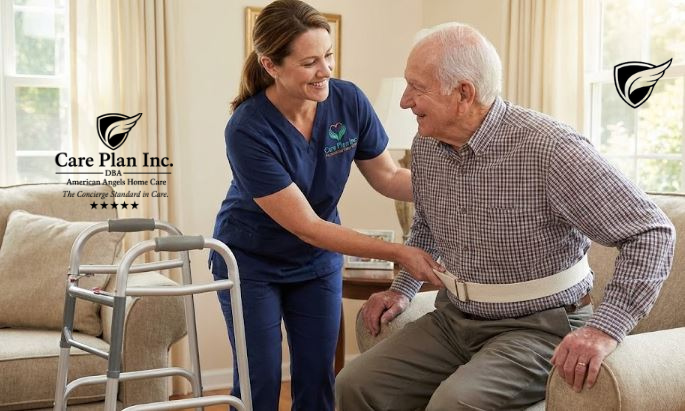
Falls are the primary driver of care emergencies. A high-authority care partner implements 1:1 standby assistance during high-risk hours. Caregivers are trained by the RN to use proper transfer techniques and to audit the home environment daily for hazards. This continuous oversight is the gold standard for maintaining safety in historic Grosse Pointe estates or modern Birmingham residences with complex layouts.
2. Nutritional Stability and Hydration Monitoring
Malnutrition and dehydration are silent killers of senior independence. They lead to muscle wasting, dizziness, and cognitive confusion. Professional caregivers manage grocery shopping at premium local markets and prepare balanced meals tailored to physician-prescribed diets. Proper hydration is monitored as a clinical vital sign, ensuring the senior remains physiologically stable and resilient.
3. Medication Adherence Protocols
Medication mismanagement is a leading cause of post-hospital readmission. In a non-medical setting, caregivers provide medication reminders, not administration. They ensures the senior follows the schedule established by their doctor and overseen by the clinical nurse. This professional adherence ensures that therapeutic levels of medication are maintained, preventing the “peaks and valleys” of health that lead to emergencies.
| Crisis Trigger | Proactive Intervention | Clinical Outcome |
|---|---|---|
| Unobserved Fall | 1:1 RN-supervised standby assistance. | Zero fractures and maintained mobility. |
| Medication Error | Structured reminders and adherence logs. | Clinical stability and avoided toxicity. |
| Dehydration/UTI | Managed hydration and RN triage. | Reduced delirium and ER avoidance. |
| Social Isolation | Cognitive engagement and outings. | Preserved cognitive reserve and mood. |
The Financial Advantage of Preventative Care
Many families view home care as a cost, but proactive coordination is actually a strategic financial investment. A single emergency room visit, followed by a week of sub-acute rehab and a permanent move to a memory care facility, represents a massive and unplanned depletion of family assets.
Scalability vs. Institutional Costs
Private duty care is scalable. Families in Southeast Michigan can implement a “maintenance” level of care (perhaps 12 to 20 hours a week) to establish safety and monitor health. This prevents the catastrophic health event that would otherwise demand 24/7 facility care at a high, fixed monthly rate. By spending strategically on prevention today, families protect their long-term wealth and ensure that their loved ones receive a higher standard of 1:1 attention than any facility can offer. If you are ready to evaluate the ROI of a preventative plan, the most effective next step is to start an intake with a clinical professional.
Leveraging Technology for Continuous Safety
In 2026, technology acts as a vital secondary safety net. However, tools like fall detection sensors or automated medication dispensers are most effective when they are part of a professionally managed plan. At Care Plan Inc., we integrate clinical expertise with modern monitoring solutions to provide families with 24/7 peace of mind.
Telehealth Facilitation
For seniors in Grosse Pointe or Bloomfield Hills, traveling to medical appointments can be physically taxing and a fall risk in itself. A professional caregiver can facilitate telehealth visits with specialists at Henry Ford Health or Corewell Health. The caregiver takes clinical notes and ensures that any new physician orders are immediately integrated into the home routine, creating a unified bridge between the home and the medical team.
Conclusion: The Path to Family Stability
A family crisis is often the result of delaying the inevitable. By choosing a nurse led private duty model early, families in Southeast Michigan are doing more than just hiring help: they are implementing a professional wellness strategy. This proactive coordination allows the senior to remain the master of their own home while providing the family with the security of clinical authority. Do not wait for a medical emergency to define your parent’s care plan. Take the lead today by engaging with professionals who understand that the best crisis is the one that never happens. Proactive planning is the single most important factor in a successful senior care journey.
Frequently Asked Questions
What is the “minimum effective dose” of care for prevention?
Every senior is unique, but many families start with 12 to 20 hours of care a week. This allows a professional to manage the high-risk periods of the day, such as morning grooming and meal preparation, while providing the nurse led team with enough data to identify health trends before they become emergencies.
Does Medicare cover preventative private duty care?
No. Medicare is designed for short-term medical recovery following a hospitalization. Long-term safety supervision and help with daily activities are considered “custodial” and are typically private pay or covered by long-term care insurance (LTCI) policies.
How is a nurse led agency different from a caregiver registry?
A registry is a “matchmaking” service that connects you with independent contractors. You remain the employer and assume all legal and clinical risk. A nurse led agency like Care Plan Inc. employs the staff directly and utilizes licensed Registered Nurses to oversee care, providing the clinical triage that registries do not offer.
How do I know if it is time to start proactive care?
Look for subtle “red flags”: unexplained weight loss, a decline in home maintenance, missed medication doses, or a senior who is withdrawing from social circles in Birmingham or Grosse Pointe. A clinical assessment by an RN is the only objective way to determine the current risk level.
What happens if a care emergency occurs after hours?
Professional managed agencies have 24/7 on-call support. If a senior’s condition changes at 2:00 AM, the caregiver or family has immediate access to clinical guidance, which can often triage the situation and avoid an unnecessary hospital admission.
If you would like to learn how our nurse led coordination can protect your family from a care crisis, please request more information below.