
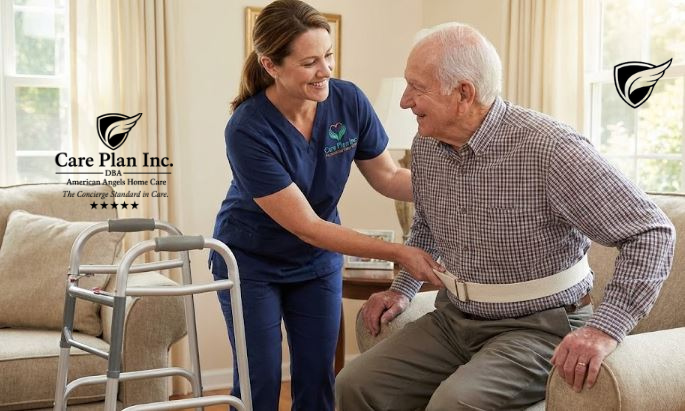
For families in Southeast Michigan—from the historic estates of Grosse Pointe to the refined neighborhoods of Bloomfield Hills and Birmingham—a diagnosis of Alzheimer’s or another form of dementia represents a profound life transition. The immediate concern for most adult children is how to preserve their parent’s dignity and safety without the immediate upheaval of a memory care facility. Private duty dementia care provides a clinical solution that allows seniors to age in place, surrounded by the familiar sights and sounds that provide cognitive anchoring. However, managing dementia at home requires more than simple companionship; it demands a structured, professional framework that prioritizes environmental safety, behavioral management, and clinical oversight.
At Care Plan Inc., we emphasize a nurse-led private duty home care model specifically for memory loss. In this model, the daily, hands-on care is performed by trained specialists, but every aspect of the strategy is directed and supervised by licensed nurses. This clinical leadership ensures that as the disease progresses, the care plan adapts, preventing the common crises—such as falls, wandering, or medication errors—that often lead to institutionalization. This guide provides an authoritative roadmap for families navigating the complexities of home-based dementia care in Oakland and Wayne Counties.
The Clinical Advantage of Home-Based Dementia Care
Dementia is a progressive condition that impacts an individual’s ability to process their environment. One of the primary advantages of private duty dementia care at home is the preservation of the “Environmental Anchor.” Familiarity—the specific height of a chair, the layout of a kitchen, or the view from a bedroom window—acts as a non-pharmacological intervention, reducing the agitation and “sundowning” often triggered by the sterile, unfamiliar surroundings of a facility.
Familiarity and Anxiety Reduction
According to the National Institute on Aging (NIA), maintaining a familiar environment is a cornerstone of effective dementia management. In Southeast Michigan, where many families have resided in their homes for decades, the emotional cost of relocation can accelerate cognitive decline. Private duty care at home mitigates this risk by bringing the support to the senior, ensuring they remain in the setting where they feel most secure.
Personalized 1:1 Supervision
Unlike memory care facilities, where staff ratios are distributed among many residents, private duty care offers a dedicated 1:1 ratio. This level of attention is vital for early detection of health changes. A caregiver who spends 8 to 12 hours a day with a single client in Novi or Troy will notice a subtle change in gait, a minor decrease in appetite, or a slight shift in verbal clarity that a facility worker managing fifteen residents might miss. This early detection is what prevents the infections and falls that lead to hospital readmissions.
The Nurse-Led Framework for Memory Loss
In Michigan, the home care market is largely unregulated for non-medical services. This means that a standard “caregiver” may have minimal training in the neurological complexities of dementia. A nurse-led model, such as the one at Care Plan Inc., provides the professional authority necessary to manage a high-acuity condition like Alzheimer’s.
Professional Assessment and Care Planning
The care process begins with a comprehensive clinical assessment performed by a licensed Registered Nurse (RN). This assessment evaluates:
- Cognitive Acuity: Identifying the current stage of decline and specific behavioral triggers.
- Physical Safety: Evaluating the home environment in Grosse Pointe or Bloomfield Hills for fall risks and wandering hazards.
- Nutritional Needs: Developing a meal plan that addresses the weight loss and dehydration common in dementia.
- Medication Compliance: Creating a structured schedule for medication reminders (not administration).
Ongoing RN Supervision
A nurse-led model is not “set it and forget it.” Licensed nurses provide continuous oversight, visiting the home to supervise caregivers and adjust the care plan as the senior’s needs evolve. This clinical bridge ensures that the family has an authoritative liaison between the home-based team and the senior’s primary care physician or neurologist.
Managing Behavioral Symptoms and “Sundowning”
One of the most challenging aspects of private duty dementia care is managing the behavioral and psychological symptoms of dementia (BPSD), including agitation, anxiety, and sundowning (increased confusion in the late afternoon). Professional caregivers are trained in specialized communication techniques designed to de-escalate these situations without the need for increased sedation.
Communication Strategies
The Alzheimer’s Association recommends specific communication protocols that are standard in nurse-led care:
- Validation, Not Correction: Avoiding “reality testing” that can increase agitation.
- Simple Directives: Using one-step instructions to prevent cognitive overload.
- Non-Verbal Cues: Utilizing eye contact and gentle touch to provide reassurance.
Routine and Predictability
Dementia thrives on routine. Caregivers implement a structured “Life Enrichment” schedule that includes set times for meals, hygiene, and cognitive stimulation. This predictability reduces the cognitive load on the senior, providing a sense of safety and reducing the frequency of behavioral outbursts.
SupervisionMinimal or administrative.Clinical oversight by a licensed RN.
| Feature | Standard Companion Care | Nurse-Led Dementia Care |
|---|---|---|
| Training | General; variable skill levels. | Dementia-specific; behavioral de-escalation. |
| Safety Protocol | Observation only. | Environmental audit and wandering prevention. |
| Medical Integration | None. | Coordination with senior’s medical team. |
Environmental Safety: Modifying the Southeast Michigan Home
For a senior with memory loss, a home that was safe for fifty years can suddenly become a maze of hazards. A primary role of private duty dementia care is the ongoing safety audit of the residence. Whether in a historic home in Birmingham or a modern condo in Northville, safety modifications are critical for longevity.
Wandering Prevention and Security
Wandering is a high-risk behavior in mid-to-late-stage dementia. Caregivers under nurse supervision implement environmental cues to reduce this risk:
- High-Contrast Signage: Labeling bathrooms and bedrooms to prevent confusion.
- Secured Perimeters: Installing “hidden” locks or alarms on exits to prevent unsupervised wandering.
- Lighting Optimization: Ensuring even lighting throughout the home to reduce the shadows that can cause hallucinations or “paranoia” in dementia patients.
Bathroom and Kitchen Safety
The CDC’s STEADI Initiative highlights the bathroom as the most dangerous room in the house for seniors. Professional caregivers provide the 1:1 physical assistance required during high-risk tasks like bathing and transferring. Additionally, they manage kitchen safety by ensuring the stove is disabled or monitored and that spoiled food is removed immediately to prevent foodborne illness—a major cause of delirium in dementia patients.
Nutritional Management and Medication Reminders
Dementia patients are at high risk for malnutrition and medication errors. A nurse-led care plan addresses these clinical gaps through structured protocols.
The Role of Nutrition
As cognitive decline progresses, seniors may forget how to use utensils or lose interest in eating entirely. Caregivers focus on “Finger Foods” and nutrient-dense meals that are easy to consume. Hydration is also a priority; chronic dehydration is a primary driver of increased confusion and “delirium” in the elderly. Supervising nurses monitor the senior’s weight and hydration levels to prevent clinical decline.
Medication Reminders (Not Administration)
In a non-medical setting, caregivers provide medication reminders (not administration). This involves ensuring the senior adheres to the schedule established by their doctor and the nurse-led care plan. This professional adherence prevents the doubled doses or missed prescriptions that frequently lead to emergency room visits. The Medicare.gov health maintenance standards underscore that medication adherence is the single most important factor in preventing hospital readmissions for seniors with chronic conditions.
Supporting the “Sandwich Generation” and Family Dynamics
For adult children in Southeast Michigan who are balancing their own careers and children, managing a parent’s dementia is an overwhelming burden. Professional private duty dementia care allows you to return to your role as a daughter or son. Instead of spending your visits managing bathing or arguing about medication, you can focus on emotional connection and shared memories.
Alleviating Caregiver Burnout
Caregiver burnout is a clinical reality. Research by the NIH confirms that caregivers of dementia patients experience significantly higher levels of stress and physical illness than non-caregivers. Utilizing a professional, nurse-supervised team provides the respite necessary for families to maintain their own health and professional lives. If you are feeling overwhelmed by the coordination, the most effective step is to start an intake to begin a clinical evaluation of your needs.
Conclusion: The Path to Dignified Memory Care at Home
Dementia care is not a static service; it is a dynamic health strategy that must evolve as the disease progresses. By choosing a nurse-led private duty model, families in Southeast Michigan are ensuring that their parent’s safety and dignity are managed by clinical professionals. Whether you require a few hours of respite in Troy or 24/7 supervision in Grosse Pointe, the objective remains the same: a secure, familiar, and supervised environment that honors the senior’s life and history. Proactive planning is the key to a successful aging-in-place experience. By engaging with professional resources early, you are providing your parent with the best possible chance for stability and quality of life.
Frequently Asked Questions
Is dementia care at home better than a facility?
For many, yes. The one-on-one attention and familiar environment of home can reduce agitation and cognitive decline compared to the unfamiliar and communal settings of a facility. However, a professional nurse-led assessment is the best way to determine if your specific home environment is safe and viable for long-term care.
Does Medicare pay for private duty dementia care?
No. Medicare is designed for short-term medical rehabilitation. Long-term, non-medical support for ADLs (bathing, dressing, wandering prevention) is typically private-pay or covered by long-term care insurance (LTCI).
Can a caregiver help with my parent’s aggressive behaviors?
Yes. Our caregivers are trained in behavioral de-escalation techniques. Under the supervision of a nurse, they work to identify the root cause of the agitation—such as pain, hunger, or overstimulation—and address it without escalating the situation.
What are medication reminders?
Caregivers provide medication reminders, which means they ensure the senior takes their prescribed medication at the correct times as outlined in the nurse-led care plan. They do not fill pill organizers or manage dosages; these are supervised by the clinical team.
How do I know if it’s safe for my parent to stay at home?
A safety audit by a licensed nurse is essential. We evaluate the home for wandering risks, fall hazards, and the parent’s ability to navigate their surroundings. If a parent is active at night or prone to wandering, we may recommend a 24/7 or live-in model for maximum safety.
If you would like to learn whether nurse-led private duty care is the right choice for your family’s dementia journey, please request more information below.