
For distinguished families in Southeast Michigan, spanning the historic lakefront estates of Grosse Pointe to the refined neighborhoods of Bloomfield Hills and Birmingham, the period following a hospital discharge is a critical juncture. The transition from the high intensity monitoring of a surgical center to the home environment is fraught with risks. Short term private duty care serves as the essential clinical bridge that ensures recovery is not just possible, but optimized. In 2026, the standard for this support has moved beyond simple companionship. It now requires a professional framework that prioritizes clinical safety, environmental adaptation, and specialized oversight.
Choosing a nurse-led private duty home care model allows families to implement a concierge level of wellness in the comfort of their own residence. At Care Plan Inc., we recognize that the first few weeks after a health event define the long term trajectory of a senior’s independence. This comprehensive guide explores the nuances of short term support, the clinical advantages of nurse supervision, and how families in Oakland and Wayne Counties can navigate the complexities of acute recovery periods.
The Clinical Reality of Post-Acute Recovery
Recovery from surgery, severe illness, or injury is a metabolic and physical marathon. In the elderly population, the physiological reserve is often lower, making the management of the post-acute phase more delicate. According to data from the Centers for Medicare and Medicaid Services (CMS), nearly twenty percent of seniors are readmitted to the hospital within thirty days of discharge. Most of these readmissions are preventable with structured, professional intervention.
The Risk of the Transition Gap
The transition gap occurs when a patient leaves the 24/7 supervision of a hospital like Corewell Health or Henry Ford and returns to a home where family members, however well-meaning, lack the clinical training to spot early warning signs of complications. Short term private duty care fills this gap by providing a trained professional whose sole focus is the safety and stabilization of the patient during the highest risk hours.
The Nurse-Led Advantage: Clinical Peace of Mind
In Michigan, the private duty market is largely unregulated for non-medical services. This means many agencies operate without licensed oversight. For families who demand a “Concierge” standard, the distinction lies in Nurse-Led Authority. When care is nurse-led, every caregiver operates under the direct supervision and guidance of a licensed Registered Nurse (RN).
RN Assessments and Oversight
At Care Plan Inc., the recovery process begins with a comprehensive clinical assessment performed by an RN. This professional evaluates the home for environmental hazards, reviews the discharge orders, and creates a customized care plan. This oversight ensures that the support provided is not just reactive, but proactive. The nurse monitors for subtle health changes, such as the early signs of a urinary tract infection or respiratory distress, which often manifest as increased confusion or delirium in the elderly. This clinical triage is what prevents the emergency room visits that derail recovery.
Core Services Provided During Short-Term Recovery
The scope of short term private duty care is multifaceted, addressing the physical, logistical, and nutritional needs of a recovering senior. Each service is designed to reduce the physical burden on the patient so they can focus entirely on healing.
Personal Care and Hygiene Support
Post-surgical pain and mobility restrictions make the simplest daily tasks, such as bathing and dressing, dangerous. Caregivers provide the steadying assistance required to navigate the bathroom, ensuring the patient remains clean and comfortable without risking a fall. This support preserves the patient’s dignity and prevents the skin breakdown that can occur during periods of reduced activity.
Medication Reminders and Compliance
Recovery often involves a new and complex regimen of medications, including anticoagulants, pain management drugs, and antibiotics. In a non-medical setting, caregivers provide medication reminders, not administration. They ensure the patient adheres to the schedule established by their doctor and overseen by the nurse-led team. This adherence prevents the missed doses or doubled doses that frequently lead to medical setbacks.
Mobility and Transfer Assistance
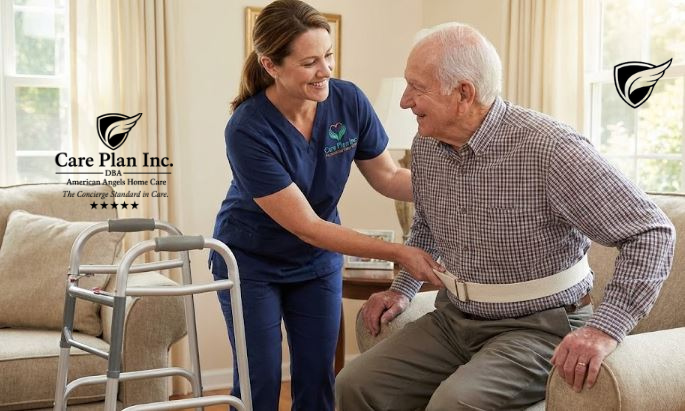
Safe ambulation is critical for preventing blood clots and improving lung function after surgery. However, patients are often fearful or physically unable to walk unassisted. Caregivers provide 1:1 standby support, acting as a human safety net during transfers from bed to chair and during walks through the home. This level of attention is especially vital for patients in Grosse Pointe or Bloomfield Hills who live in historic homes with complex layouts or staircases.
| Service Type | Clinical Goal | Professional Response |
|---|---|---|
| Safety Monitoring | Fall Prevention | 1:1 Standby assistance during all movement. |
| Nutritional Support | Wound Healing | Managed meal preparation and hydration protocols. |
| Medication Support | Compliance | Nurse-supervised reminder logs and schedules. |
| Clinical Triage | Readmission Prevention | RN oversight and condition monitoring. |
Ideal Candidates for Short-Term Private Duty Care
While any senior can benefit from professional support, specific health events make short term private duty care a clinical necessity. Families in Southeast Michigan typically utilize these services during three specific scenarios.
Post-Orthopedic Surgery Recovery
Hip and knee replacements are common among the active senior populations in Novi and Northville. These procedures require strict adherence to weight-bearing restrictions and physical therapy exercises. A professional caregiver ensures that the patient does not violate their surgical precautions while providing the physical support needed to perform recovery exercises safely.
Post-Cardiac or Respiratory Events
Recovery from a heart attack or pneumonia requires careful monitoring of vitals and energy conservation. The Centers for Disease Control and Prevention (CDC) notes that fatigue is a primary driver of falls in the elderly. A caregiver manages the household logistics, such as laundry and meal prep, allowing the senior to rest and rebuild their cardiac and respiratory strength.
Temporary Support During Caregiver Absence
Often, a spouse is the primary caregiver. If that spouse needs to undergo their own procedure or take a period of respite, short term care provides the bridge that ensures the senior remains safe. This “Respite Care” model allows the primary caregiver to recover or rest with the peace of mind that their loved one is under professional supervision.
Finding Reliable Care Providers in Oakland and Wayne Counties
The process of choosing an agency for your family should be governed by a rigorous vetting process. In high value communities like Grosse Pointe Shores or Franklin, families expect a higher caliber of professional. When researching local agencies, look for those that demonstrate clinical authority and a commitment to transparency.
Vetting Credentials and Reputation
Verify that the agency directly employs its caregivers rather than utilizing independent contractors. Employee-based models, like the one at Care Plan Inc., ensure that the staff is covered by workers’ compensation, professional liability insurance, and comprehensive background checks. This protects the family from the legal and financial liabilities of independent hiring. Additionally, read client reviews that specifically mention the agency’s responsiveness and the quality of their nurse oversight.
The “Concierge” Interview
When interviewing an agency, ask the following clinical questions:
- “Who performs the initial assessment, a salesperson or a licensed Registered Nurse?”
- “How often does the nurse visit the home to supervise the caregivers?”
- “What is your protocol if a caregiver notices a change in my parent’s condition?”
- “Do you have experience with my parent’s specific surgical recovery needs?”
Creating a Personalized Recovery Plan
A successful recovery is never accidental. It is the result of a structured care plan that aligns the family’s goals with the patient’s clinical needs. This plan serves as the roadmap for the caregivers and the family alike.
Assessing Individual Needs
The RN-led assessment looks at the “Whole Person.” We consider the senior’s cognitive status, their prior level of function, and their current limitations. We also evaluate the social environment. Does the adult child in Troy or Birmingham need to return to work? If so, the care plan must account for the hours the senior would otherwise be alone.
Setting SMART Recovery Goals
We establish goals that are Specific, Measurable, Achievable, Relevant, and Time-bound. For a senior in West Bloomfield recovering from a stroke, a goal might be “Safely ambulating to the kitchen with a walker unassisted by day fourteen.” These milestones provide the caregivers with a focus and the family with a clear indicator of progress. Regular evaluations allow the nurse to adjust the plan as the senior regains their strength.
Cost and Financial Planning for Short-Term Care
Understanding the financial landscape is essential for long term sustainability. Short term private duty care is typically a private-pay service. While medical home health (PT/OT) is covered by Medicare, the high-hour daily support required for safety is not.
Insurance and Funding Options
Families should review their private insurance and Long-Term Care Insurance (LTCI) policies. Many LTCI policies provide reimbursement for home care once a triggering event, such as a hospitalization or a change in functional status, occurs. Our nurses provide the clinical documentation and assessments that insurance companies demand to approve and pay out these claims. This professional administrative support is a hallmark of a nurse-led agency.
Tax Considerations
In many cases, medically necessary home care expenses may be tax deductible. We recommend consulting with a tax professional in the Southeast Michigan area to see how private duty care fits into your overall financial strategy. The IRS Publication 502 provides guidance on medical and dental expenses that may apply to your situation.
The Role of Family in the Recovery Process
While the professional team handles the clinical and logistical tasks, the family remains the emotional core of the recovery. The presence of professional support allows the adult children to return to their primary roles as sons and daughters. Instead of spending their visits managing laundry and bathing, they can focus on social engagement and emotional support, which are vital for a senior’s mental health during recovery.
Open Communication Channels
A nurse-led model thrives on transparency. We utilize digital care logs and regular nurse briefings to keep families in Grosse Pointe or Northville fully informed. This collaborative approach ensures that the family is an active participant in the recovery journey without being overwhelmed by the physical demands of caregiving.
Transitioning from Recovery to Long-Term Stability
As the short term recovery period concludes, the senior’s needs may shift. Some patients recover fully and return to total independence. Others may find that they require a maintenance level of support to remain safe in their homes. The transition process involves a final clinical evaluation by the RN to determine the most appropriate path forward.
Signs That Ongoing Care is Beneficial
If a senior continues to struggle with balance, medication management, or nutrition after the acute recovery phase, a “maintenance” care plan may be recommended. This might involve a few hours of support several times a week to ensure that the gains made during recovery are not lost. This proactive approach to aging in place is what prevents the “slow decline” that often leads to institutionalization.
Conclusion: The Path to Clinical Peace of Mind
Short term private duty care is more than a convenience. It is a strategic investment in a senior’s safety and longevity. For families in Southeast Michigan, opting for a nurse-led model ensures that the recovery period is governed by clinical authority and professional coordination. Whether you are navigating the needs of a parent in Birmingham or Grosse Pointe, the goal is a safe, dignified, and permanent return to independence. Do not wait for a medical setback to define your parent’s future. Engage with a clinical professional early to build a roadmap for stability and quality of life.
If you are ready to move from crisis management to professional coordination, the first step is to engage with a team that prioritizes clinical precision and family support. To begin the process of creating a custom, nurse-led plan for your loved one, start an intake today and let a licensed nurse evaluate the best course of action for your family’s recovery needs.
Frequently Asked Questions
What is the difference between short-term care and respite care?
Short term care is usually focused on a specific recovery goal following a medical event, such as a surgery. Respite care is typically focused on providing the primary family caregiver with a temporary break. Both utilize the same professional caregivers but have different clinical objectives.
Does Medicare pay for short-term private duty care?
No. Medicare covers short term, intermittent medical home health, such as physical therapy. It does not cover the long term daily supervision or help with ADLs (bathing, dressing) that defines private duty care. These services are typically paid for privately or through LTCI.
How quickly can care be established?
While we prefer a lead time of several days to perform a thorough assessment, we understand that hospital discharges can be sudden. In many cases, we can mobilize a nurse and a caregiver within twenty-four to forty-eight hours of an initial inquiry.
Can a caregiver help with my parent’s physical therapy exercises?
Yes. Under the guidance of a physical therapist and the supervision of our RN, caregivers can provide the standby assistance needed for the patient to perform their prescribed exercises safely between formal therapy sessions.
What happens if the caregiver is not a good fit?
As a managed agency, we handle the matching process. If a caregiver is not meeting the personality or skill needs of the patient, we handle the transition to a new professional immediately, ensuring there is no gap in coverage.
If you would like to learn how our nurse-led short term support can ensure a safe recovery for your family, please request more information below.
Request information here

