
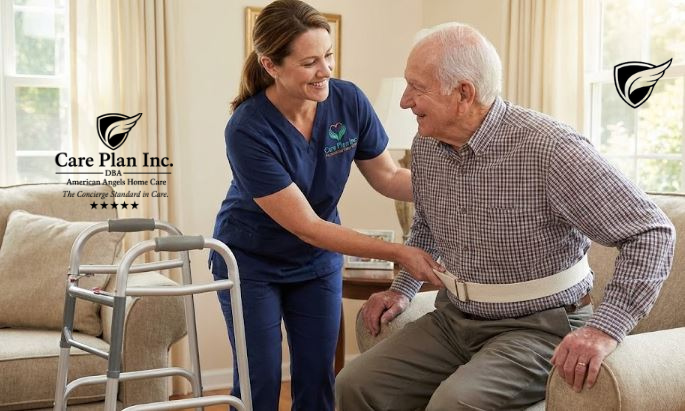
For distinguished families in Southeast Michigan, spanning the refined neighborhoods of Bloomfield Hills and Birmingham to the historic waterfront estates of Grosse Pointe, the decision to implement home care is often just the first step in a long term strategy. Aging is not a static process. Physical and cognitive requirements evolve, often necessitating a shift in the level of professional support required. Adaptive home care represents a sophisticated clinical approach that allows the care plan to grow alongside the senior. In 2026, the gold standard for this support is a concierge model that prioritizes proactive adjustments over reactive crisis management.
At Care Plan Inc., we recognize that a rigid care schedule eventually fails to meet the needs of a senior with a progressive condition. We implement a nurse-led private duty home care model where every detail is governed by clinical authority. In Michigan, where the non-medical home care market is largely unregulated, the presence of a licensed Registered Nurse (RN) to assess and adjust care is the critical differentiator. This guide explores how adaptive care ensures longevity and quality of life for seniors in Oakland and Wayne Counties as their health profiles change over time.
The Core Principles of Adaptive Home Care
The term adaptive home care refers to a care model designed to be fluid. It rejects the “one size fits all” approach in favor of a dynamic health strategy. While many agencies provide a static list of tasks, an adaptive model uses clinical data to determine when more, or different, support is needed. This ensures that the senior remains in the safest possible environment without prematurely stripping away their autonomy.
Proactive vs. Reactive Adjustments
Most home care failures occur during a “transition of care” or after a sudden health event like a fall. A reactive model waits for an emergency to occur before increasing hours or adding services. In contrast, an adaptive model, led by a professional nurse, identifies subtle markers of decline. A slight change in gait, a minor increase in confusion during the late afternoon, or a decrease in nutritional intake are all signals that the care plan must be modified. This proactive stance is what keeps seniors in Birmingham and Northville out of the hospital and in their own homes.
The Nurse-Led Framework: The Engine of Adaptation
A primary concern for families is how to know when it is time for more help. In a nurse-led model, this burden is removed from the family and placed on a clinical expert. Every aspect of the care is monitored and adjusted by a licensed Registered Nurse (RN), ensuring that adaptive home care is part of a professionally managed health strategy.
Continuous RN Assessment and Triage
The process begins with a comprehensive clinical assessment, but it does not end there. Unlike standard agencies that may only perform an annual review, our model provides ongoing oversight. If a senior in Troy shows a subtle shift in their respiratory patterns or skin integrity, the RN can triage the situation immediately. This prevents the “slow decline” that often characterizes senior health, replacing it with a managed environment where the level of care matches the current physical and cognitive reality.
Caregiver Training for Evolving Acuity
As a senior’s needs change, the skills required of the caregiver must also evolve. A senior who initially needed help with meal prep may eventually require specialized dementia de-escalation or mobility transfers using mechanical aids. Because Care Plan Inc. utilizes an employee-based model, we can match and train caregivers specifically for the rising acuity of each client. This continuity of care is vital for maintaining the trust and security of the senior in communities like Bloomfield Hills and Grosse Pointe Farms.
Scaling Support: From Companionship to 24/7 Oversight
Adaptive care is built on scalability. It allows a family to start with the “minimum effective dose” of support and increase it as necessary. This financial and clinical flexibility is a primary reason families choose private duty care over facility placement.
The Companionship Phase
Many seniors in West Bloomfield or Novi start with a few hours of companionship a week. The focus is on social engagement, light housekeeping, and maintaining the intellectual habits of a lifetime. During this phase, the caregiver and nurse are establishing a baseline of health and behavior, which becomes invaluable as the disease or aging process progresses.
The Personal Care and Safety Phase
As mobility or memory challenges increase, the adaptive home care plan shifts toward physical safety. This includes 1:1 assistance with activities of daily living (ADLs) such as bathing, dressing, and incontinence management. The CDC’s STEADI initiative highlights that falls are the leading cause of injury for seniors. Adaptive care increases the level of “stand-by” assistance during these high-risk activities to prevent the injuries that often lead to institutionalization.
| Functional Stage | Observed Changes | Adaptive Care Response |
|---|---|---|
| Early Stage | Forgetfulness; social withdrawal. | Companionship & cognitive stimulation. |
| Moderate Stage | Balance issues; medication errors. | Personal care & medication reminders. |
| Advanced Stage | Total mobility risk; wandering. | 24/7 Awake supervision & RN oversight. |
Environmental Adaptation: Modifying the Michigan Home
Adaptive care also involves the physical environment. A home that was safe for an active 70 year old may become hazardous for a 90 year old. Part of the nurse-led oversight includes an ongoing audit of the residence. Whether it is a historic home in Grosse Pointe or a modern condo in Rochester Hills, the environment must adapt to the senior’s functional status.
Integrating Technology for Safety
In 2026, technology is a vital component of adaptive home care. As needs change, the nurse may recommend the integration of smart home devices. This might include fall detection sensors that do not require a pendant, automated medication dispensers, or telehealth platforms that allow for virtual consultations with specialists at Corewell Health or Henry Ford Health. These tools provide a secondary safety net that complements human supervision.
The ROI of Adaptive Private Care: Family Peace of Mind
The burden of managing an aging parent’s changing needs often falls on the adult child. Attempting to track medical appointments, medication changes, and safety risks personally leads to profound caregiver burnout. Professional adaptive home care allows the adult child to return to their primary role as a son or daughter.
Financial Scalability
Unlike assisted living facilities that charge high, fixed monthly fees regardless of the senior’s daily status, private duty care is scalable. Families only pay for the level of professional time required. For many in Southeast Michigan, this is a more sustainable financial model that preserves family assets while providing a higher standard of 1:1 attention. If you are ready to evaluate a clinical, concierge approach for your family, the most effective next step is to start an intake to speak with an RN.
Legal and Protective Measures for High-Net-Worth Families
Choosing a care provider is also a legal and financial decision. Many families in communities like Bloomfield Hills consider hiring independent caregivers to save on costs. However, this model lacks the ability to adapt and carries significant risks. According to the IRS Publication 926, most independent caregivers are household employees, making the family responsible for payroll taxes, FICA, and workers’ compensation.
The Agency Model: Liability and Consistency
Engaging with a professional agency like Care Plan Inc. transfers this liability to the provider. We manage all taxes and provide comprehensive professional liability insurance. This protects the family estate from legal suits in the event of an on-the-job injury. Furthermore, the agency model provides “backup redundancy.” If a senior’s needs suddenly increase or a primary caregiver is ill, the agency provides a trained replacement, ensuring that the adaptive home care plan never falters. This level of security is essential for seniors who value their privacy and social standing.
Conclusion: The Path to Dignified Longevity
The goal of home care is to help seniors stay in the environments they love for as long as possible. To achieve this, the care must be as dynamic as the person it serves. By choosing a nurse-led private duty model, families in Southeast Michigan are investing in a wellness strategy that honors the senior’s past and protects their future. Whether your parent is in Birmingham or Grosse Pointe, the key is to move from reactive crisis management to proactive clinical coordination. Do not wait for a medical emergency to define your parent’s care plan. Take the lead today by engaging with professionals who prioritize clinical precision and the concierge experience. Proactive planning is the single most important factor in a successful aging in place journey.
Frequently Asked Questions
How often should a home care plan be reviewed?
In a professional nurse-led model, care plans are reviewed constantly through daily documentation, but a formal clinical reassessment should occur at least every 90 days, or immediately following any change in health status or a hospital discharge.
Does Medicare pay for adaptive home care?
Generally, Medicare does not cover long term custodial care (help with daily living). Medicare is designed for short term medical recovery. Most families fund adaptive home care privately or through long term care insurance (LTCI) policies. It is vital to check your specific policy for benefits.
How is a nurse-led agency different from a registry?
A registry is a matchmaking service that connects you with independent contractors. You remain the employer and assume all legal risk. A nurse-led agency like Care Plan Inc. employs the staff directly and utilizes licensed Registered Nurses to supervise every aspect of the care, providing clinical authority that registries do not offer.
Can a caregiver manage medical equipment like oxygen or a CPAP machine?
In a non-medical private duty setting, caregivers provide monitoring and assistance with the setup of such devices as part of the nurse-led care plan. Any clinical adjustments or medical treatments must be overseen by a medical professional or the supervising nurse according to Michigan guidelines.
What happens if my parent’s needs become too great for home care?
A clinical assessment by an RN is the best way to determine this. However, with 24/7 shift care and appropriate medical equipment, most seniors can remain at home even with high acuity needs. The nurse works with the family to establish the “threshold of safety” for their specific situation.

