
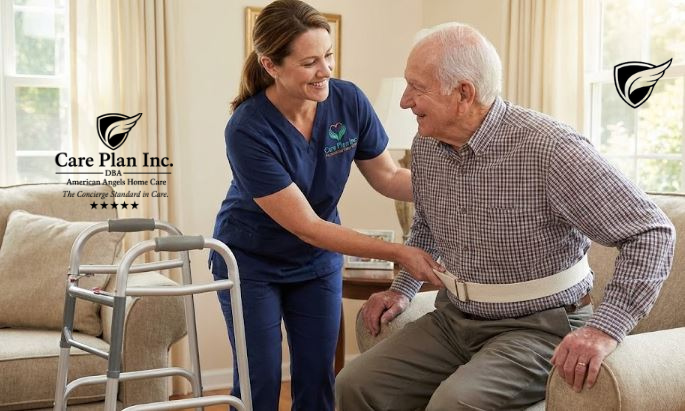
For distinguished families in Southeast Michigan, spanning the refined neighborhoods of Bloomfield Hills and Birmingham to the historic waterfront estates of Grosse Pointe, the decision to seek assistance for an aging parent is a pivotal moment. The traditional trajectory often leads toward assisted living facilities, which offer a standardized and structured environment. However, many seniors find that relocation to an institution represents a significant loss of personal identity and social standing. Flexible home care provides a sophisticated alternative, allowing individuals to remain in the residences they have built while receiving a level of one-on-one attention that facilities simply cannot replicate. In 2026, families are increasingly choosing clinical private duty models because they prioritize the preservation of a hard-earned lifestyle.
At Care Plan Inc., we emphasize a nurse-led private duty home care model that goes beyond basic companionship. In Michigan, where the non-medical care industry is largely unregulated, the presence of a licensed Registered Nurse to coordinate and supervise care is the critical differentiator. This guide provides an authoritative roadmap for families in Oakland and Wayne Counties who are weighing the pros and cons of facility placement versus the concierge experience of flexible, nurse-supervised home care.
Defining Flexible Home Care in a Concierge Context
The term flexible home care refers to a care model that adapts to the senior’s specific schedule, health needs, and personal preferences rather than requiring them to adhere to a facility’s fixed protocols. While facilities operate on “distributed care,” where one staff member manages multiple residents, private duty care is built on a 1:1 ratio. This allows for a level of personalization that covers everything from complex medical monitoring to the specific way a morning meal is prepared.
The Psychology of Familiarity
Remaining at home is not just about comfort. It is a vital clinical intervention. The National Institute on Aging (NIA) emphasizes that for seniors with cognitive changes, a familiar environment acts as an “Environmental Anchor.” The layout of a kitchen or the view from a favorite window provides a sense of security that reduces the agitation often triggered by the sterile surroundings of an institutional setting. Flexible care preserves these anchors while introducing the professional support needed for safety.
The Nurse-Led Framework: A Clinical Distinction
A primary concern for families considering home care is the lack of medical oversight compared to a nursing facility. Care Plan Inc. addresses this by implementing a nurse-led framework. Every aspect of the care plan is developed, monitored, and adjusted by a licensed Registered Nurse (RN). This ensures that flexible home care is part of a professionally managed health strategy rather than just a household service.
Initial RN Assessment and Triage
The process begins with a comprehensive clinical assessment. The nurse evaluates the senior’s physical mobility, cognitive acuity, and home environment. Unlike facilities that may have a single nurse for scores of residents, our model provides a dedicated clinical advocate for your loved one. If a senior in Northville or Troy shows a subtle change in their daily health status, the RN can triage the situation immediately, often preventing the emergency room visits that frequently lead to permanent facility placement.
Caregiver Competence and Supervision
When care is supervised by a nurse, caregivers are trained to identify the “micro-changes” in a senior’s condition. A slight decrease in appetite or a minor change in gait can be an early indicator of a urinary tract infection or respiratory distress. In a concierge model, these issues are addressed before they become a medical crisis. This clinical bridge is the cornerstone of high-quality private duty care in communities like Bloomfield Hills and Grosse Pointe Farms.
Comparing Home Care to Facility Placement: Environment and Control
When evaluating the choice between home and a facility, families must consider the fundamental shift in control. Facilities are designed for institutional efficiency. Home care is designed for the individual’s autonomy. For a senior who has spent decades as a leader in their profession or community, maintaining this autonomy is essential for their mental well-being.
Environment: Familiarity versus Standardization
Assisted living facilities, while often luxurious, are communal living environments. Residents must dine at set times, participate in group activities, and follow building-wide safety rules. In contrast, flexible home care allows the senior to dictate the rhythm of their day. If they prefer a late breakfast or an evening walk through their neighborhood in West Bloomfield, the care adapts to them. This preservation of personal choice is the definition of dignified aging.
Individual Attention and Safety
In a facility, staff members are responsible for many residents simultaneously. During the overnight hours, the ratio of staff to residents can be 1:15 or higher. This creates a significant risk for unobserved falls or medical events. Private duty care offers a dedicated professional whose sole focus is your parent. This level of supervision is the gold standard for fall prevention and safety monitoring, especially for those with high mobility risks.
| Feature | Concierge Private Duty Care | Standard Facility Placement |
|---|---|---|
| Staffing Ratio | 1:1 Dedicated Focus | 1:12 to 1:15 (Distributed) |
| Personalization | Customized to Individual Routine | Standardized Facility Schedule |
| Environment | Private Residence; Familiarity | Institutional; Relocation Required |
| Supervision | Direct RN Clinical Oversight | General Facility Management |
Financial Analysis: Scalability versus Fixed Overhead
The cost of senior care is a significant consideration for every family. While the perception is often that home care is more expensive, the reality is that flexible home care offers a level of financial scalability that facilities do not. Facilities typically charge a high, fixed monthly room and board fee plus additional “level of care” charges that increase as the senior declines.
The Value of Scalability
Families in Southeast Michigan can tailor their home care hours to match the senior’s actual needs. A senior in Troy may only require assistance during the high-risk morning and evening hours. This allows the family to pay only for the professional time required, rather than the 24/7 overhead of an entire building. As needs change, the hours can be scaled up or down, providing a flexible budgeting model that respects the family’s assets.
Asset Protection and Liability
Many families consider hiring independent “private” caregivers to save on costs. However, this model carries immense legal and financial risk. In Michigan, the Department of Health and Human Services (MDHHS) and the IRS classify most individual caregivers as household employees. This means the family is responsible for payroll taxes, workers’ compensation, and liability for injuries. Professional agencies like Care Plan Inc. assume all of these risks, providing the family with full insurance coverage and a trained backup staff. This protects the family’s estate from legal suits and medical claims.
If you are ready to evaluate the financial and clinical viability of a home care plan, the most effective next step is to start an intake to speak with a clinical coordinator.
Types of Flexible Home Care Services
Concierge home care is a holistic model that addresses the physical, nutritional, and social aspects of health. For families in Oakland and Wayne Counties, these services are coordinated to ensure the home remains a vibrant environment for aging.
Personal Care and Hygiene
Maintaining dignity is at the heart of our personal care services. Caregivers provide steadying assistance with bathing, dressing, and grooming. For a senior with limited mobility, this support prevents the “hygiene neglect” that often leads to skin breakdown and depression. Because the care is provided in the privacy of the home, the senior feels more comfortable accepting assistance than they might in a communal locker room setting.
Nutritional Management and Hydration
Malnutrition and dehydration are primary drivers of clinical decline in the elderly. Professional caregivers manage grocery shopping and meal preparation, ensuring the senior adheres to physician-prescribed diets such as low sodium or heart-healthy protocols. This is especially vital for seniors managing chronic conditions like diabetes or heart failure. The CDC notes that proper nutrition and hydration are critical factors in maintaining the muscle mass needed for fall prevention.
Medication Reminders (Not Administration)
Medication mismanagement is a leading cause of hospital readmissions for seniors. In a non-medical setting, caregivers provide medication reminders, not administration. This involves ensures the senior follows the schedule established by their doctor and overseen by the clinical nurse. This professional adherence ensures that therapeutic levels of medication are maintained without the errors that often occur when a senior manages a complex pill organizer alone.
Assessing the Right Time for Care
Determining when to transition from independent living to receiving assistance is a delicate process. Families in Southeast Michigan often find that being proactive is the best way to ensure longevity. Waiting for a fall or a medical emergency often limits the options available. Recognizing the subtle signs of decline allows for a gradual implementation of flexible home care.
Clinical Red Flags to Watch For
- Nutritional Decline: A refrigerator containing only expired food or a significant, unexplained loss of weight.
- Medication Confusion: Finding missed doses in a pillbox or discovering the senior is taking medications at incorrect times.
- Environmental Hazards: A previously immaculate Birmingham estate becoming cluttered or showing signs of neglected maintenance.
- Social Withdrawal: A senior who was previously active in their country club or social circles in Grosse Pointe who now refuses to leave the house.
If your family is observing these markers, the goal is to implement a safety net that supports the senior without stripping them of their autonomy. Engaging with a professional nurse for an initial assessment is the most effective way to determine the appropriate “dosage” of care.
Integrating Technology for Enhanced Home Safety
In 2026, technology is a vital component of the flexible home care model. At Care Plan Inc., we integrate clinical expertise with modern monitoring solutions to provide a continuous safety net for seniors who value their privacy.
The Role of Smart Devices and Telehealth
For seniors in Birmingham and Troy, smart home devices like voice-activated assistants and automatic medication dispensers provide significant independence. More advanced tools include fall detection sensors that do not require the senior to wear a pendant. These sensors use radar or AI to detect an impact and alert the supervising nurse immediately. Furthermore, a professional caregiver can facilitate telehealth visits with specialists at Corewell Health or Henry Ford Health, ensuring that the physician’s recommendations are immediately integrated into the daily care plan.
Addressing Safety and Security Concerns
A common reservation families have regarding home care is the security of the residence. Choosing a reputable, employee-based agency is the single most important step in mitigating this concern. High-authority private duty agencies implement rigorous security protocols that far exceed what a facility can offer.
Vetting and Accountability
Care Plan Inc. utilizes a strict vetting process that includes criminal background checks, professional reference verification, and ongoing clinical training. Because our caregivers are employees, they are subject to professional accountability and regular supervision by our Registered Nurses. Furthermore, we utilize digital time-tracking and care-logging systems that provide families with a transparent record of when a caregiver is in the home and what tasks have been performed. This level of transparency is why families in Bloomfield Hills and Grosse Pointe trust us with their most private spaces.
Conclusion: The Path to Dignified Aging
The choice between facility placement and flexible home care is a decision that defines the quality of a senior’s final chapters. For families in Southeast Michigan who value lifestyle preservation and clinical excellence, the concierge private duty model is the superior choice. By choosing a nurse-led approach, you are providing your parent with more than just assistance; you are providing them with a professionally managed environment where their safety, dignity, and autonomy are protected by experts. Do not wait for a medical crisis to dictate your parent’s future. Proactive coordination is the key to a successful aging-in-place experience. Engage with a clinical professional today to build a roadmap for longevity and stability in the home.
Frequently Asked Questions
Is flexible home care more expensive than assisted living?
It depends on the number of hours required. For seniors who need less than 24/7 supervision, home care is often more cost-effective because you only pay for the professional time used. Even for 24/7 care, the individual attention and lack of fixed room and board costs can make it a superior value compared to high-end facility memory care.
Does Medicare pay for flexible home care?
No. Medicare is designed for short-term, acute medical rehabilitation. Long-term “custodial” care (help with activities of daily living) is typically a private-pay service or covered by long-term care insurance (LTCI) policies. It is vital to check your specific insurance policy for home care benefits.
How is a nurse-led model different from a standard agency?
A standard agency may be managed by administrators with no clinical background. A nurse-led agency like Care Plan Inc. utilizes licensed Registered Nurses to perform assessments and supervise caregivers. This provides a level of medical authority and triage that ensures clinical safety in the home.
Can home care help if my parent has advanced dementia?
Yes. Many families choose 24/7 shift care or live-in care specifically for dementia. Being in a familiar environment reduces the agitation of the condition, and specialized caregivers use behavioral de-escalation techniques under the supervision of a nurse to manage symptoms safely.
What happens if a caregiver is sick or unavailable?
Managed agencies provide backup redundancy. If your assigned professional is unavailable, the agency provides a trained replacement who is briefed on your parent’s specific care plan, ensuring there is never a gap in safety. This is a primary advantage over hiring an independent contractor.

