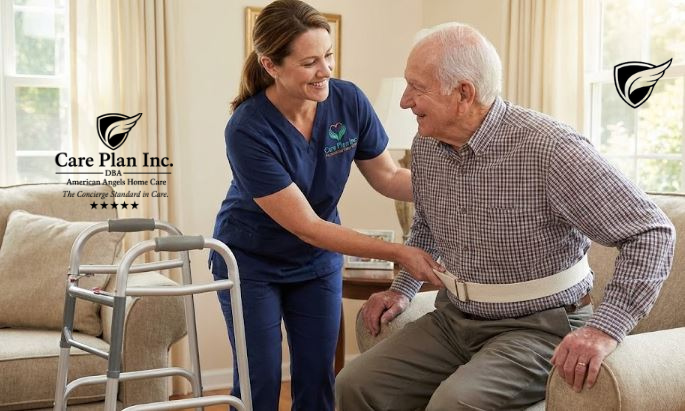
For distinguished families in Southeast Michigan—from the historic estates of Grosse Pointe to the modern residences of Bloomfield Hills and Birmingham—a senior’s fall is often a watershed moment. It is rarely just an isolated physical event. It is a clinical emergency that can destabilize a senior’s independence and quality of life. According to the Centers for Disease Control and Prevention (CDC), one out of every four older adults falls each year, yet less than half tell their doctor. When an injury occurs, the transition back to the home environment is the most critical window for preventing a permanent decline.
Choosing home care after a fall is not merely about hiring a “sitter.” It is about implementing a professional, clinical strategy that prioritizes safety, rehabilitation, and environmental modification. At Care Plan Inc., we advocate for a nurse-led private duty home care model. In this framework, every aspect of the recovery is supervised by a licensed Registered Nurse (RN), ensuring that the assistance provided is safe, clinically informed, and designed for longevity. This guide provides an authoritative roadmap for families in Oakland and Wayne Counties navigating the complexities of post-fall recovery.
The Clinical Reality: Why the First 30 Days Matter
The month following a fall is a period of high clinical vulnerability. Data from Medicare.gov indicates that seniors who have fallen once are twice as likely to fall again within six months. This “revolving door” of injuries is often driven by untreated balance issues, fear of falling (which leads to muscle atrophy), and unaddressed environmental hazards.
The Danger of “Deconditioning”
Following an injury, many seniors become sedentary out of fear. This lack of movement leads to rapid muscle wasting and decreased bone density. Professional home care after a fall disrupts this cycle. Under nurse supervision, caregivers provide the 1:1 “stand-by” assistance required to keep the senior moving safely, which is the only way to rebuild the physical “reserve” needed for long-term independence.
The Nurse-Led Difference: Beyond Basic Supervision
In Michigan, the home care market is largely unregulated for non-medical services. This places a significant burden on the family to verify the quality of care. A nurse-led model provides the clinical authority necessary to manage a high-acuity recovery.
RN Assessments and Triage
At Care Plan Inc., the recovery process begins with a comprehensive assessment by a licensed nurse. This nurse-led approach ensures:
- Early Detection: Nurses identify subtle health changes, such as the early signs of a UTI or medication side effects, that can cause dizziness and lead to a second fall.
- Caregiver Oversight: Caregivers are trained and supervised by the RN to ensure they are utilizing proper transfer techniques and adhering to the safety plan.
- Medical Liaison: The nurse acts as an authoritative bridge between the home and the senior’s primary care physician or physical therapist at institutions like Henry Ford Health or Corewell Health.
By utilizing nurse-led private duty home care, families are not just outsourcing chores; they are implementing a professionally managed wellness strategy designed to prevent the next crisis.
Environmental Safety: Auditing the Michigan Home
For a senior who has recently fallen, a home that felt safe for forty years can suddenly become a maze of hazards. A primary role of professional care is the ongoing safety audit of the residence. Whether in a historic home in Birmingham or a modern condo in Northville, safety modifications are critical.
The STEADI Framework
The CDC’s STEADI (Stopping Elderly Accidents, Deaths, and Injuries) initiative provides the clinical gold standard for home safety. A nurse-led evaluation applies these principles to the senior’s specific residence:
- Lighting Optimization: Ensuring even, high-intensity lighting in hallways and stairwells to compensate for age-related vision changes.
- Path Clearance: Removing area rugs, securing electrical cords, and rearranging furniture to create wide, unobstructed pathways for walkers or canes.
- Bathroom Fortification: Installing industrial-grade grab bars (not just “suction” bars) and utilizing raised toilet seats to reduce the physical strain of transfers.
| Home Area | Common Fall Hazard | Professional Intervention |
|---|---|---|
| Bedroom | Low bed height; slippery floors. | Bed rails; firm-soled footwear protocols. |
| Bathroom | Standard tubs; low toilets. | Shower chairs; raised toilet seats. |
| Stairways | Single handrails; poor lighting. | Dual handrails; motion-sensor lighting. |
| Living Areas | Throw rugs; cluttered walkways. | Rug removal; clear navigation paths. |
Managing the Psychological Impact: The “Fear of Falling”
The emotional consequences of a fall are often as debilitating as the physical ones. Post-fall anxiety can lead to social withdrawal and depression. The National Institute on Aging (NIA) notes that “fear of falling” is a major risk factor for future falls because it causes seniors to restrict their activities, leading to further weakness.
Building Confidence Through Companionship
Professional caregivers provide more than physical support; they provide the “psychological safety net” a senior needs to regain their confidence. By having a 1:1 professional present during walks or outings to a Grosse Pointe park, the senior feels secure enough to push their physical boundaries. This emotional support is a vital component of the nurse-led private duty home care model, which views the senior’s mental well-being as inseparable from their physical recovery.
Nutritional Management and Bone Health
Recovery requires a metabolic surplus. Seniors recovering from an injury often lose their appetite or lack the energy to prepare balanced meals. A nurse-led care plan addresses these clinical gaps through managed nutrition.
The Role of Protein and Bone Nutrients
Caregivers focus on nutrient-dense meals that support tissue repair and bone density. This includes adequate protein intake and adherence to supplements like Vitamin D and Calcium, as recommended by the USDA’s guidelines for older adults. Supervising nurses monitor the senior’s weight and hydration levels to prevent the clinical decline that often follows a period of reduced mobility.
Supporting the “Sandwich Generation”
Adult children in Southeast Michigan who are balancing their own careers and families often experience profound stress when a parent falls. Attempting to provide 24/7 “watchful oversight” personally leads to exhaustion and strained family dynamics. Professional home care after a fall allows the adult child to return to their primary role as a supportive daughter or son.
If you are feeling overwhelmed by the logistics of a parent’s recovery, the most effective step is to start an intake. This allows a professional nurse to evaluate the situation and provide your family with a clear, clinical roadmap for safety and stability.
Conclusion: The Path to Clinical Stability
Recovery from a fall is a marathon that requires a coordinated, professional effort. By choosing a nurse-led private duty model, families in Southeast Michigan are ensuring that their parent’s safety is governed by clinical authority. Whether you require a few hours of assistance in Troy or 24/7 supervision in Bloomfield Hills, the goal remains the same: a secure, dignified, and supervised environment that allows your loved one to age in place with grace. Early professional intervention is the key to preventing the “second fall” and ensuring a permanent return to independence.
Frequently Asked Questions
Does Medicare pay for a caregiver after a fall?
No. Medicare covers short-term, intermittent medical home health (such as physical therapy). Long-term, non-medical support for ADLs (bathing, dressing, fall prevention) is typically private-pay or covered by long-term care insurance (LTCI).
What is “stand-by” assistance?
This is a high level of supervision where a caregiver stays within arm’s reach of the senior during mobility tasks. It is the gold standard for preventing falls in seniors who are physically unsteady but still capable of walking with assistance.
How do I know if my parent needs 24/7 care after a fall?
A safety audit by a licensed nurse is essential. If the senior is active at night, has cognitive confusion, or is a high fall risk who cannot perform hygiene tasks independently, 24/7 or live-in care is usually recommended for the first 30 days of recovery.
What are medication reminders?
Caregivers provide medication reminders, ensuring the senior takes their prescribed medication at the correct times as outlined in the nurse-led care plan. They do not manage dosages or fill pill organizers; these are clinical tasks supervised by the nurse or medical team.
Can a caregiver help with my parent’s physical therapy exercises?
Yes. While they are not therapists, our caregivers are trained to provide the “encouragement and stand-by safety” a senior needs to complete the home exercise program prescribed by their professional physical therapist.
If you would like to learn whether nurse-led private duty care is the right choice for your family’s recovery journey, please request more information below.