
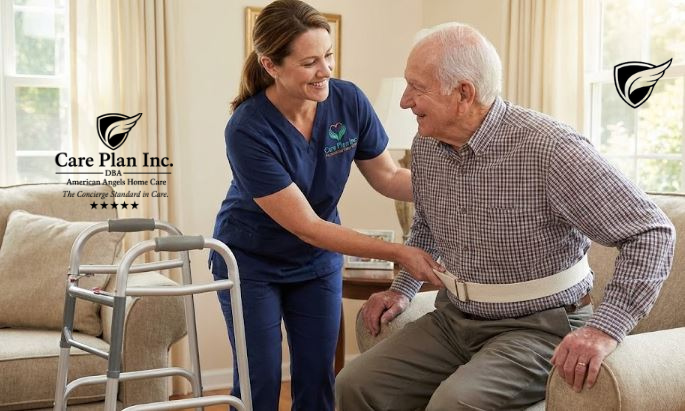
For distinguished families in Southeast Michigan, the transition from daylight hours to the vulnerability of the night represents a critical period in a senior’s safety plan. Whether managing a historic estate in Grosse Pointe or a modern residence in Bloomfield Hills, the quiet hours between midnight and early morning are often when health crises escalate and environmental hazards become most dangerous. Ensuring overnight home care safety is not merely about having a presence in the house. It is about implementing a clinically supervised, professional framework that anticipates risks before they result in a hospital admission.
At Care Plan Inc., we believe that nighttime safety is the foundation of a successful aging in place strategy. Our nurse-led private duty home care model is designed to provide families in Birmingham, Troy, and Northville with clinical peace of mind. By utilizing licensed Registered Nurses to oversee overnight caregivers, we ensure that nighttime support is part of a professionally managed health plan. This guide provides a high authority overview of how families can optimize their home environments and supervision models to ensure a secure, restful, and safe sleep experience for their loved ones.
The Clinical Vulnerability of the Night
The human body undergoes significant physiological changes during sleep. For seniors, these changes can be exacerbated by chronic conditions or the side effects of medications. Nighttime is often when subtle health issues manifest as acute safety risks. Families must recognize that the dark environment combined with physical or cognitive decline creates a uniquely high risk period.
The Risk of Nighttime Falls
Falls are the leading cause of fatal and non-fatal injuries for older adults in Michigan. According to the CDC’s STEADI initiative, a senior’s risk of falling increases significantly during the night when vision is compromised and balance may be affected by late night medications. Common triggers include the need to use the restroom (nocturia) or disorientation upon waking. Professional overnight home care safety involves having a caregiver who remains awake and alert to provide steadying support during these transitions.
Delirium and Cognitive Fluctuations
For seniors with dementia, the phenomenon of sundowning or nighttime confusion can be terrifying. The National Institute on Aging (NIA) notes that changes in the brain’s circadian rhythm can lead to agitation, wandering, and a total loss of environmental awareness after dark. Without professional supervision, a senior in Novi or West Bloomfield may attempt to leave the house or use appliances inappropriately, creating a life threatening situation.
The Nurse-Led Difference: Why Clinical Oversight Matters
In Michigan, the home care industry is largely unregulated for non-medical services. This means that a standard “sitter” or independent caregiver often lacks the training to spot early clinical warning signs. A nurse-led model provides the authoritative oversight necessary to manage nighttime health.
Professional RN Assessments
The first step in any overnight home care safety plan should be a professional assessment. A licensed nurse evaluates the home for environmental risks and the senior for clinical vulnerabilities. This includes:
- Medication Review: Identifying drugs that cause dizziness or nighttime confusion.
- Physical Gait Assessment: Evaluating the senior’s ability to transfer from bed to a standing position safely.
- Environmental Audit: Checking lighting, rug placement, and bathroom accessibility in high value homes.
Caregiver Supervision and Triage
In a nurse-led model, the caregiver is not isolated. A supervising nurse monitors documentation and condition changes. If a caregiver in Birmingham notices a senior has a sudden increase in nighttime restlessness or a change in breathing patterns, the nurse is notified immediately to triage the situation. This clinical bridge often prevents the emergency room visits that Medicare.gov tracks as indicators of poor care quality.
Optimizing the Bedroom and Bathroom for Sleep Safety
The physical environment of a home in Grosse Pointe or Northville must be modified to support overnight home care safety. High net worth residences often have complex layouts that can become confusing for a senior in the dark. Implementing specific environmental upgrades is a vital part of risk mitigation.
Lighting and Navigation
Poor lighting is a primary cause of disorientation. Professional safety plans include the installation of motion activated lighting that illuminates the path from the bed to the bathroom. This prevents the senior from fumbling for switches and ensures a clear field of vision. The Michigan Department of Health and Human Services (MDHHS) offers various resources for senior home safety, emphasizing that environmental clarity is key to preventing injuries.
Bathroom Modifications
The bathroom remains the most dangerous room in any residence during the night. A nurse-led assessment will often recommend:
- Grab Bars: Strategically placed bars for toilet and shower transfers.
- Non-Slip Surfaces: Industrial grade non-slip treatments for tile floors.
- Raised Toilet Seats: Reducing the physical strain of transfers, which can lead to dizziness.
| Hazard Area | Common Nighttime Risk | Professional Safety Intervention |
|---|---|---|
| Bed Perimeter | Falls during transfer or “near miss” slips. | Bed rails and professional transfer assistance. |
| Hallway Path | Tripping on rugs or furniture in low light. | Motion sensor lighting and removal of area rugs. |
| Bathroom | Slips on wet or cold tile surfaces. | Non-slip mats and caregiver stand-by support. |
| Cognition | Disorientation or wandering out of the house. | Secured exits and 1:1 awake supervision. |
Medication Compliance and Reminders Overnight
Effective management of chronic conditions often requires precise medication adherence. For seniors in Southeast Michigan, the role of an overnight professional is crucial for maintaining this schedule. In a non-medical private duty setting, caregivers provide medication reminders, not administration.
The Role of the Caregiver
The caregiver ensures that the senior takes the correct dose at the correct time, as outlined in the nurse-led care plan. This professional adherence prevents the missed doses that can lead to blood pressure spikes or the doubled doses that can cause dangerous sedation. The supervising nurse reviews the medication log regularly to ensure absolute compliance and to monitor for any side effects that might manifest during the night.
The Importance of Human Presence vs. Technology
In 2026, many families utilize technology such as fall detection pendants or bed sensors. While these tools are valuable, they are not a replacement for a trained human presence. Technology only alerts a family after a fall or a crisis has occurred. An awake, professional caregiver provides proactive prevention.
The Limitations of Monitoring Apps
Monitoring apps and cameras can provide a false sense of security. If a senior in Troy begins to experience respiratory distress or a subtle neurological change, a camera might not capture the nuance. A trained caregiver under nurse supervision is capable of observing subtle physical cues—such as changes in skin color, temperature, or verbal clarity—and initiating a professional clinical response immediately. Families should start an intake to evaluate how human supervision can complement their existing home technology.
The ROI of Quality Overnight Care: Family Well-Being
The decision to hire an overnight professional is often a vital step for the health of the entire family. Adult children in the “Sandwich Generation” frequently attempt to provide nighttime care themselves. This leads to chronic sleep deprivation, which impacts their professional careers and their own health.
Preserving Caregiver Health
According to research from the National Institutes of Health (NIH), caregivers who lack adequate sleep are at a significantly higher risk for burnout and chronic illness. By delegating the night shift to a nurse-led team, family members can return to their primary roles as sons and daughters. They can interact with their parents from a place of rest and emotional availability, rather than from a state of exhaustion and worry.
Vetting Your Overnight Support System
Choosing an agency for overnight home care safety requires a rigorous vetting process. Families should look beyond simple price points and evaluate the clinical authority of the provider. When interviewing an agency in Oakland or Wayne County, consider the following questions:
- “Do your overnight caregivers remain awake and alert, or are they expected to sleep?”
- “Who performs the initial safety assessment—a salesperson or a licensed Registered Nurse?”
- “How do you monitor for subtle condition changes during the night?”
- “Are your caregivers employees who are covered by workers’ compensation and liability insurance?”
- “What is the protocol if a caregiver notices a clinical change in my parent?”
Reputable agencies like Care Plan Inc. will be transparent about their clinical protocols and their commitment to professional standards. By choosing an employee based model with nurse oversight, families protect themselves from the legal and health liabilities associated with independent registries.
Conclusion: Clinical Peace of Mind through Professional Supervision
Sleep safety is the cornerstone of long term independence for Michigan seniors. By recognizing the clinical vulnerabilities of the nighttime hours and implementing a nurse-led supervision model, families can provide their loved ones with the highest standard of safety available in the home. Whether you are addressing the fall risks of a Birmingham residence or the wandering risks of a senior with dementia in Grosse Pointe, professional overnight home care safety is an investment in longevity and family well-being. Do not wait for a nighttime emergency to dictate your parent’s care plan. Engage with clinical professionals today to create a structured, safe, and supervised nighttime environment that respects your parent’s history and supports their future.
Frequently Asked Questions
Is awake overnight care better than a sleep-in caregiver?
For most seniors with safety risks, awake care is superior. An awake caregiver can intervene immediately if a senior attempts to get out of bed or shows signs of distress. A sleep-in caregiver may not hear a subtle fall or a quiet attempt to wander, which increases the risk of injury.
Does Medicare cover overnight home care?
No. Medicare covers short term medical rehabilitation and intermittent nursing. Long term, non-medical overnight home care safety is typically a private-pay service or covered by long term care insurance (LTCI). It is vital to check your specific insurance policy for coverage details.
How does a nurse supervise an overnight shift?
At Care Plan Inc., a licensed Registered Nurse reviews the caregiver’s documentation daily. The nurse also performs regular on-site visits to assess the senior’s condition and the caregiver’s adherence to the safety plan. This provides a continuous clinical feedback loop that basic agencies do not offer.
Can an overnight caregiver manage medical equipment like CPAP or oxygen?
In a non-medical setting, caregivers provide monitoring and assistance with the setup of such devices as part of the nurse-led care plan. Any clinical adjustments or medical treatments must be overseen by a medical professional or the supervising nurse according to Michigan guidelines.
What if my parent doesn’t want someone in the house at night?
This is a common concern. We often suggest framing the caregiver as a “safety concierge” or “house manager” who handles the logistical burdens of the night. Having a professional Registered Nurse perform the initial assessment often helps the senior accept the care as a professional health strategy rather than a loss of autonomy.
If you would like to learn whether nurse-led overnight care is the right choice for your family’s safety needs, please request more information below.

