
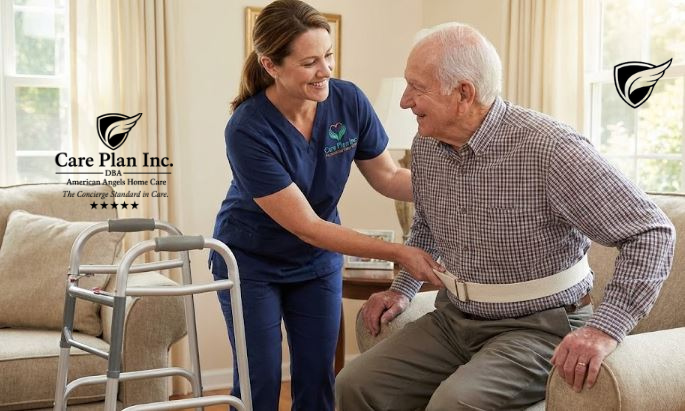
For distinguished families in Southeast Michigan—from the historic estates of Grosse Pointe to the refined residences of Bloomfield Hills and Birmingham—the transition from a high-intensity hospital environment to the home is a period of significant clinical vulnerability. According to the Centers for Medicare and Medicaid Services (CMS), approximately one out of every five patients discharged from a hospital is readmitted within 30 days. These readmissions are often not the result of the original ailment, but of a fragmented “handoff” where the patient is left to manage complex recovery protocols without professional oversight. Prevent hospital readmission home care is a specialized clinical strategy designed to bridge this gap, ensuring that the first month at home is a trajectory toward healing rather than a slide back into the emergency room.
At Care Plan Inc., we emphasize a nurse-led private duty home care model that goes beyond basic assistance. In this concierge framework, every aspect of the post-discharge journey is coordinated and supervised by a licensed Registered Nurse (RN). This level of professional oversight is essential for families in Northville, Troy, and Novi who demand a higher standard of clinical precision. This guide provides an authoritative analysis of why readmissions happen and how a structured, nurse-supervised home care plan acts as a primary defense against health complications.
The Hidden Costs of Fragmented Discharge
The “revolving door” of hospitalizations carries a heavy emotional and financial burden. The National Library of Medicine estimates that potentially avoidable readmissions cost the U.S. healthcare system over $41 billion annually. For the individual patient, however, the cost is even higher. Each readmission often marks a permanent decline in functional independence, increased exposure to hospital-acquired infections, and the psychological trauma of “medical failure.”
The Critical 72-Hour Window
The most dangerous period of the transition is the first 72 hours following discharge. This is the period when pain management protocols change, new medications are introduced, and the patient must navigate their home environment with diminished physical strength. A senior who was stable in a hospital bed may find the stairs in their Grosse Pointe Farms home or the high-entry bathtub in their West Bloomfield residence to be insurmountable hazards. Professional prevent hospital readmission home care provides the constant presence required to navigate these environmental risks safely. The CDC’s STEADI initiative notes that proactive mobility assistance is the most effective way to prevent the catastrophic falls that often lead back to the emergency room.
Primary Drivers of Hospital Readmissions
To effectively prevent readmissions, one must understand the clinical and social factors that drive them. In Southeast Michigan, where seniors often manage multiple chronic conditions simultaneously, the causes of rehospitalization are rarely singular.
1. Medication Mismanagement
Hospital discharge almost always results in a change to the patient’s medication regimen. New prescriptions are added, old ones are discontinued, and dosages are adjusted. Without professional oversight, “medication reconciliation errors” are rampant. A patient may accidentally double-dose on a blood thinner or miss a vital heart medication because they are confused by the new pharmacy labels. In a non-medical setting, caregivers provide medication reminders, not administration. However, under a nurse-led model, the RN meticulously reviews the discharge paperwork against the medications actually in the home, ensuring the caregiver is prompting the patient at the exact intervals prescribed by the physician.
2. Lack of Clinical “Triage” at Home
Most readmissions happen because subtle “red flag” symptoms are missed or ignored until they become full-blown crises. A slight increase in confusion, a minor change in skin color near a surgical site, or a small decrease in appetite can be early markers of a UTI or a burgeoning infection. A trained caregiver supervised by a nurse acts as an early warning system. At Care Plan Inc., our nurses monitor these daily status reports, initiating communication with the patient’s primary care physician at institutions like Henry Ford Health or Corewell Health before the condition requires an ambulance.
3. Nutritional and Hydration Neglect
Healing consumes a vast amount of metabolic energy. Post-hospital patients often lack the energy or appetite to prepare healthy meals. Malnutrition and dehydration are primary drivers of “post-hospital syndrome,” a state of physiological vulnerability that leads to falls and cognitive decline. Caregivers manage grocery shopping and meal preparation, ensuring the patient adheres to any prescribed dietary restrictions while maintaining strict hydration protocols. The National Institute on Aging (NIA) emphasizes that specialized nutritional support is a cornerstone of safe recovery.
The Nurse-Led Framework: A Managed Clinical Solution
In Michigan, the home care industry for non-medical services is largely unregulated. This means that a standard “caregiver” from a low-cost registry may have no training in identifying clinical triggers. A nurse-led model, however, ensures that every action in the home is governed by professional authority.
RN-Led Transitional Care Management
At Care Plan Inc., recovery begins with an in-depth clinical assessment performed by a licensed RN. The nurse reviews the hospital discharge summaries, identifies specific risks for conditions like Congestive Heart Failure (CHF) or COPD, and develops a customized care plan. This oversight ensures that the support provided is responsive to the patient’s evolving health status.
| Readmission Trigger | Standard Agency Response | Nurse-Led Clinical Response |
|---|---|---|
| Fall Risk | General supervision | RN Gait assessment & safety audit |
| Medication Error | Self-managed reminders | RN Reconciliation & supervised schedule |
| Infection | Observation by family | Nurse-supervised symptom tracking |
| Chronic Condition | Generic care | Managed protocols (Weight/Vitals tracking) |
Specific Protocols for High-Acuity Recoveries
Certain conditions carry a higher statistical risk for readmission. A professional prevent hospital readmission home care plan must be condition-specific.
Congestive Heart Failure (CHF) and Weight Tracking
For CHF patients, a sudden gain of two to three pounds in a single day is a clinical emergency indicating fluid retention. Our nurse-supervised caregivers implement daily weight logs, reporting any fluctuations to the supervising RN immediately. This simple act of managed oversight allows for diuretic adjustments at home, preventing the emergency department visit.
Joint Replacement and Mobility Safety
Patients recovering from hip or knee replacements in Birmingham or Troy are often given strict “precautions” regarding how they can move or sit. Violating these precautions can lead to surgical failure or dislocation. Caregivers provide the 1:1 standby assistance required during every transfer, ensuring that the patient adheres to the surgical team’s exact protocols. The Medicare.gov health maintenance standards underscore that mobility adherence is the single most important factor in preventing hospital readmissions for orthopedic patients.
The Impact of Quality Care on Family Dynamics
The burden of preventing a hospital readmission often falls on the “Sandwich Generation”—adult children who are managing their own children and careers while trying to act as 24/7 medical advocates for their parents. Attempting to perform these clinical tasks without training leads to profound stress and “caregiver paralysis,” where the family is too overwhelmed to notice a parent’s decline.
Alleviating Caregiver Burnout
Professional intervention allows the adult child to return to their primary role as a supportive son or daughter. By delegating the physical and logistical tasks of care to a nurse-led team, the family can focus on the emotional connection and shared history that make the home a place of healing. If you are feeling overwhelmed by a parent’s upcoming discharge, the most effective next step is to start an intake to establish a professional coordination plan.
Technology and Safety in the Modern Recovery Home
In 2026, the integration of clinical expertise with modern technology has transformed home recovery. While technology like fall detection pendants are valuable, they are reactive—notifying you after a fall. A professional caregiver provides proactive prevention.
Remote Monitoring and RN Oversight
At Care Plan Inc., we utilize structured digital documentation that allows families and nurses to track recovery progress in real-time. This transparency ensures that everyone—the family, the primary doctor, and the home care team—is aligned on the same goals. For seniors in Northville or Novi, this digital bridge provides an extra layer of security, allowing for prompt interventions if a change in vitals or mood is noted.
Comparing Care Models: Home vs. Skilled Nursing (SNF)
Families often weigh the decision between sending a loved one to a sub-acute rehab facility versus returning home with support. In the Southeast Michigan context, the “Home First” model is increasingly preferred by clinicians and families alike.
Why Home Recovery Often Outperforms Rehab Centers
- Individualized Attention: Home care offers a 1:1 caregiver-to-patient ratio. In a facility, that ratio is often 1:15 or higher.
- Lower Risk of Delirium: Seniors in familiar environments are far less likely to experience “hospital-induced delirium,” a major cause of readmission.
- Reduced Infection Risk: The home environment protects the patient from the “superbugs” (MRSA, C. diff) often found in communal living settings.
- Preservation of Routine: Recovery at home allows for the maintenance of social connections and dietary habits that are essential for cognitive health.
Conclusion: The Path to Professional Clinical Stability
The first month following a hospital discharge is a high-stakes period that determines the long-term success of any medical intervention. For families in Southeast Michigan, the choice of prevent hospital readmission home care is a strategic investment in the safety and longevity of their loved ones. By opting for a nurse-led model, you are ensuring that your parent’s recovery is governed by clinical authority and professional coordination. Whether you are navigating a cardiac recovery in Troy or a joint replacement in Grosse Pointe, professional supervision provides the safety net required to transition from the hospital back to a life of independence.
Do not wait for a medical setback to define your parent’s care plan. The most successful aging-in-place strategies are those implemented early, with professional clinical oversight from the beginning. If you are ready to move from crisis management to professional coordination, the first step is to engage with a team that prioritizes clinical precision and family support.
Frequently Asked Questions
What is the most common reason for readmission?
According to Medicare.gov, medication errors, falls, and the exacerbation of chronic conditions like heart failure are the leading causes. All three can be significantly mitigated through professional in-home supervision.
Does Medicare pay for a caregiver to prevent readmission?
No. Medicare covers “skilled” medical home health (short-term PT and intermittent nursing). Long-term daily safety, mobility, and hygiene support are typically private-pay or covered by long-term care insurance (LTCI).
How does a nurse-led agency help with my LTCI claim?
Insurance companies require rigorous clinical documentation to prove a patient needs help with Activities of Daily Living (ADLs). Our nurses provide the specific RN assessments and nursing notes that satisfy these requirements, ensuring you receive the benefits you’ve earned.
Can a caregiver provide medication reminders for high-risk drugs?
In a non-medical setting, caregivers provide medication reminders, not administration. The nurse-led care plan ensures the caregiver is prompting the senior at the exact times prescribed, preventing the confusion that often leads to dosing errors.
How do I start care if my parent is being discharged tomorrow?
While early planning is ideal, we are equipped for rapid transitions. You should start an intake immediately to speak with a clinical care coordinator and schedule an urgent assessment.
If you would like to learn how our nurse-led coordination can ensure a safe recovery for your family, please request more information below.

