
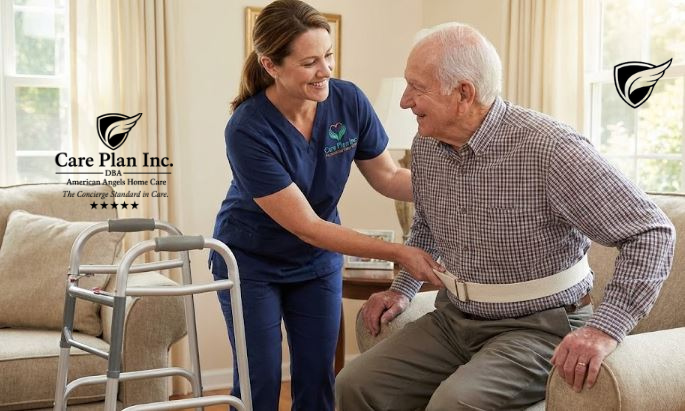
The first thirty days following a hospital discharge represent the most critical window in a patient’s recovery journey. For distinguished families in Southeast Michigan, spanning the estates of Bloomfield Hills to the historic residences of Grosse Pointe, the transition from clinical hospital environments to the home is a period of high vulnerability. Standard hospital discharge protocols often leave a significant gap between the high-intensity monitoring of a facility and the realities of managing recovery at home. Post hospital private duty care is specifically designed to bridge this gap by providing a clinical safety net that prioritizes safety, prevents readmissions, and ensures a seamless return to independence. Through our post hospital private duty care, families can feel assured of a supportive environment during this crucial time.
At Care Plan Inc., we emphasize a nurse-led private duty home care model that goes beyond basic assistance. In this concierge framework, every aspect of the post-operative plan is coordinated and supervised by a licensed Registered Nurse (RN). This level of professional oversight is essential for families in Birmingham, Troy, and Northville who demand a higher standard of care for their loved ones. This guide provides an authoritative roadmap for navigating the clinical and logistical complexities of recovery in the home setting.
By investing in post hospital private duty care, families are making a proactive choice to enhance recovery and reduce the risks associated with home transitions.
The Clinical Risks of Post-Hospital Transitions
Hospital readmission rates remain a primary concern for the healthcare industry. According to Medicare.gov data, a significant percentage of seniors are readmitted within thirty days of discharge due to complications that could have been prevented with adequate home supervision. The transition involves a massive shift in responsibility from a 24/7 clinical team to the patient or their untrained family members.
Utilizing post hospital private duty care can significantly lower readmission rates by ensuring proper oversight post-discharge.
The Danger of the First 72 Hours
The first three days at home are the highest risk for falls, medication errors, and wound complications. A patient who was mobile in a hospital hallway may find that the stairs in their Grosse Pointe Woods home or the layout of their West Bloomfield residence poses a new set of physical challenges. Professional post hospital private duty care provides the constant presence required to navigate these environmental hazards safely. The CDC’s STEADI initiative highlights that proactive mobility assistance is the most effective way to prevent the catastrophic falls that often lead back to the emergency room.
The importance of post hospital private duty care in mitigating risks during the early days post-discharge cannot be overstated.
The Nurse-Led Framework: A Managed Solution
In Michigan, the home care industry for non-medical services is largely unregulated. This means that a standard “caregiver” from a registry or a low-cost agency may have minimal training in clinical observation. A nurse-led model, however, ensures that the care provided is managed by an clinical expert.
Clinical Assessment and Plan Coordination
At Care Plan Inc., recovery begins with a comprehensive assessment performed by a licensed RN. The nurse reviews the hospital discharge summaries, coordinates with the primary care physician at institutions like Henry Ford Health or Corewell Health, and identifies specific clinical “triggers” that would require medical escalation. This oversight ensures that caregivers are not just “sitting,” but are actively monitoring for subtle changes in the patient’s condition, such as increased lethargy, changes in skin color, or respiratory distress.
Medication Adherence and Compliance
Post-surgical patients are often prescribed a new and complex regimen of medications, including anticoagulants, pain management drugs, and antibiotics. Managing these alongside existing chronic prescriptions is a common source of error. In a non-medical setting, caregivers provide medication reminders, not administration. The supervising nurse ensures that the caregiver is following the schedule established by the medical team, preventing the double dosing or missed doses that lead to clinical instability.
Core Services Supporting Post-Operative Stability
Recovery is a multifaceted process that requires attention to physical, nutritional, and environmental factors. A professional post hospital private duty care plan addresses the following core areas to ensure stability.
A comprehensive post hospital private duty care plan is vital for ensuring patients receive the necessary support for optimal recovery.
Mobility and Transfer Support
Post-surgical weakness significantly increases the risk of falls. Caregivers provide steadying assistance during transfers from bed to chair and during ambulation to the bathroom. This support is vital for patients recovering from joint replacements (hips, knees) or cardiac procedures where stability is compromised. The National Institute on Aging (NIA) emphasizes that specialized mobility support is a cornerstone of safe aging in place following a health event.
Nutritional Management and Hydration
Proper nutrition is essential for wound healing and immune function. However, post-hospital patients often lack the appetite or energy to prepare healthy meals. Caregivers manage grocery shopping and meal preparation, ensuring the patient adheres to any prescribed dietary restrictions, such as low sodium or diabetic protocols. Maintaining strict hydration is also a priority, as dehydration is a primary cause of post-operative confusion and urinary tract infections in the elderly.
Additionally, post hospital private duty care addresses any changes in dietary needs that may arise during recovery.
Wound Observation and Hygiene
While caregivers do not perform clinical wound care, they are trained under nurse supervision to observe surgical sites for signs of infection, such as redness, swelling, or discharge. They also provide essential assistance with bathing and personal hygiene, ensuring the patient remains clean and comfortable without putting undue strain on surgical incisions.
Our caregivers trained in post hospital private duty care ensure that hygiene practices are strictly maintained to facilitate healing.
| Recovery Area | Primary Risk Factor | Professional Care Intervention |
|---|---|---|
| Medication | Errors in timing or dosage. | Nurse-led schedule and reminders. |
| Mobility | Falls during unobserved moments. | 1:1 standby support and transfers. |
| Nutrition | Wound healing delays due to poor diet. | Managed meal prep and hydration. |
| Infection | Undetected surgical site changes. | Nurse-supervised observation and reporting. |
The ROI of Quality Care: Preventing Readmissions
Investing in post hospital private duty care is a strategic decision for a patient’s long-term health trajectory. The financial and emotional cost of a single hospital readmission far exceeds the cost of professional home-based support. By providing a managed environment during the first thirty days, families are ensuring that the initial surgery or treatment has the best possible chance of a permanent, successful outcome.
Choosing post hospital private duty care can lead to better health outcomes and peace of mind for families.
Peace of Mind for Working Adult Children
For the “Sandwich Generation” in Birmingham or Novi, balancing a career and family while managing a parent’s post-op recovery is an impossible task. Attempting to provide this level of hyper-vigilant care personally often leads to caregiver burnout. Professional intervention allows the adult child to return to their role as a supportive daughter or son, while the professional team manages the clinical logistics. If you are preparing for a parent’s discharge, the most effective next step is to start an intake to establish a professional plan of care.
Engaging in post hospital private duty care allows family members to focus on emotional support rather than clinical tasks.
Comparing Care Models: In-Home vs. Rehab Centers
Families often debate whether to send a loved one to a Skilled Nursing Facility (SNF) or a sub-acute rehab center versus returning home with support. In 2026, the trend in Southeast Michigan is moving toward “Home First” recovery models.
Many families find that post hospital private duty care offers a more personalized and effective recovery solution than institutional settings.
The Benefits of Home Recovery
- Lower Infection Risk: Avoiding the communal infectious risks (like MRSA or C. diff) found in many institutional settings.
- Familiarity and Comfort: Being in one’s own residence reduces the anxiety and “delirium” often triggered by new environments.
- One-on-One Attention: A private duty caregiver provides 1:1 focus, whereas facility staff ratios are often 1:15 or higher.
- Personalized Routine: The recovery schedule is built around the patient’s own habits and preferences.
Financial and Insurance Realities in Michigan
Understanding the financial landscape is critical for long-term planning. Post hospital private duty care is generally a private-pay service. While Medicare and standard health insurance cover medical home health (short-term physical therapy and intermittent nursing), they do not cover the 24/7 or high-hour supervision often required for safety.
Understanding the costs associated with post hospital private duty care can help families plan effectively for their loved ones’ needs.
Leveraging Long-Term Care Insurance
Many seniors in Grosse Pointe and Bloomfield Hills have private Long-Term Care Insurance (LTCI) policies. These policies often reimburse for home care once a “triggering event” (like a surgery or a change in functional status) occurs. To access these benefits, insurance companies require rigorous clinical documentation. Care Plan Inc.’s nurse-led model provides the structured reporting and RN assessments necessary to satisfy these insurers, ensuring the family receives the benefits they have earned.
Utilizing post hospital private duty care can also maximize the benefits of long-term care insurance policies.
Legal and Employment Protections
When you hire a caregiver through a professional agency, the agency assumes all legal and financial risks. This includes workers’ compensation, payroll taxes, and professional liability insurance. Families should be wary of “registries” or independent hires, which leave the homeowner legally responsible as the employer of record. For guidance on senior advocacy and legal rights in Michigan, consult the Michigan Department of Health and Human Services (MDHHS).
How to Establish Care for a Successful Discharge
The best post-hospital plans are those established before the patient leaves the facility. This allows for a smooth “handoff” of care. The process involves several key steps to ensure that the home is ready and the team is briefed.
Pre-Discharge Consultation
A Care Plan Inc. nurse can participate in the discharge planning meeting at the hospital. This ensures that the home care team has the most accurate information regarding surgical restrictions, weight-bearing status, and medication changes. The nurse also performs a safety audit of the home to identify any necessary modifications, such as the installation of grab bars or the removal of tripping hazards.
Setting the Recovery Schedule
When setting the recovery schedule, consider how post hospital private duty care can adapt as the patient’s needs change.
Depending on the acuity of the surgery, care can be provided on an hourly basis (to cover high-risk periods like mornings and evenings) or as 24/7 shift care for patients who cannot be left alone. This flexibility allows the family to scale the support as the patient regains their strength. The supervising nurse reviews the schedule regularly, adjusting the hours based on clinical progress.
Conclusion: Clinical Peace of Mind Through Professional Support
Recovery from a major surgery or hospital stay is a marathon, not a sprint. For families in Southeast Michigan, the choice of post hospital private duty care is an investment in the safety and longevity of their loved one. By choosing a nurse-led model, you are ensuring that your parent’s recovery is governed by clinical authority and professional coordination. Whether you are navigating the needs of a cardiac patient in Troy or a joint replacement recovery in Grosse Pointe, professional supervision provides the safety net required to transition from the hospital back to a life of independence. Do not wait for a recovery setback to dictate your parent’s care plan. Engage with a professional care team early to build a roadmap for a safe, successful, and permanent return home.
Choosing post hospital private duty care means investing in a recovery plan that prioritizes patient safety and well-being.
Frequently Asked Questions
Is post-hospital care the same as medical home health?
No. Medical home health is short-term, physician-ordered care focused on specific clinical tasks like physical therapy or wound dressing. Post hospital private duty care is focused on long-term daily safety, mobility, and hygiene support. Care Plan Inc. often works alongside medical home health teams to provide the 1:1 supervision they do not offer.
It’s essential to recognize that post hospital private duty care is not the same as standard medical home health services.
Does Medicare pay for a post-hospital caregiver?
No. Medicare generally does not pay for non-medical home care or long-term 24/7 supervision. These services are typically paid for privately or through long-term care insurance (LTCI) policies.
Many families discover that post hospital private duty care fills the gaps left by traditional Medicare services.
How do I know if my mother needs 24/7 care after her surgery?
A professional assessment by a licensed nurse is the best way to determine this. Generally, if a patient is a high fall risk, has cognitive confusion (delirium), or cannot perform basic hygiene and nutrition tasks independently, 24/7 supervision is recommended for the first 7 to 14 days.
Can a caregiver manage my father’s medications?
In a non-medical setting, caregivers provide medication reminders, not administration. They ensure the senior takes the correct dose at the correct time as prescribed by the doctor and overseen by the nurse-led care plan. Any clinical adjustments are managed by the medical team.
Caregivers in the post hospital private duty care setting help ensure that medication routines are followed accurately.
What happens if our caregiver is sick or unavailable?
As a managed agency, Care Plan Inc. is responsible for providing a trained backup caregiver. This ensures that your loved one is never left without support, a major advantage over hiring an independent contractor.
Professional agencies providing post hospital private duty care can guarantee continuity of care for your loved one.
How do I start the process if my parent is being discharged tomorrow?
While early planning is preferred, we are equipped to handle rapid transitions. You should start an intake immediately to speak with a care coordinator and schedule an urgent RN assessment.
For those facing a quick transition, post hospital private duty care services can be mobilized rapidly to ensure immediate support.
If you would like to learn how our nurse-led post hospital private duty care can ensure a safe recovery for your family, please request more information below.

