
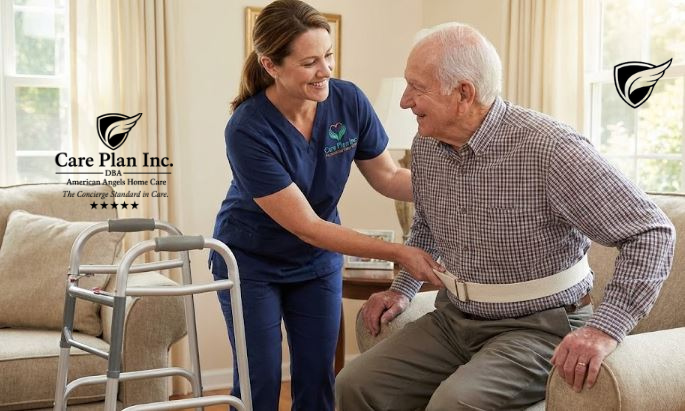
The landscape of senior care in the Grosse Pointe communities is characterized by a high demand for professional, structured assistance that prioritizes the preservation of independence within the home. Families residing in Grosse Pointe City, Grosse Pointe Farms, Grosse Pointe Woods, Grosse Pointe Park, and Grosse Pointe Shores often require a sophisticated level of support that transcends basic companionship. Private home care, specifically the model utilized by Care Plan Inc., provides a nurse-led solution to the physical and logistical challenges associated with aging. This model emphasizes clinical oversight, structured care planning, and professional coordination to ensure that non-medical assistance is delivered with clinical precision.
Understanding the parameters of nurse-led private duty home care is the first step for families evaluating their options. In Michigan, the regulatory environment for home care is distinct, making it essential for decision-makers to distinguish between various service models based on the qualifications of the oversight and the scope of the delivery. This guide provides an objective analysis of private home care services in Grosse Pointe, outlining the role of professional caregivers and the importance of nurse-led supervision in maintaining a safe residential environment.
The Definition of Private Home Care in Grosse Pointe
Private home care, often referred to as private duty care, is non-medical in-home assistance designed to support individuals with activities of daily living (ADLs) and instrumental activities of daily living (IADLs). The primary objective is to facilitate safety and comfort within the home, thereby delaying or preventing the need for institutionalization. In Grosse Pointe, this care is typically utilized by seniors who wish to age in place despite physical or cognitive limitations.
It is important to define what this service is not. Private home care is not home health care, skilled nursing, or medical treatment. While the oversight at Care Plan Inc. is provided by licensed nurses, the day-to-day support is delivered by caregivers. This support includes personal hygiene assistance, mobility support, and nutritional management. Unlike medical home health, which is usually short-term and triggered by an acute medical event, private duty care is often a long-term engagement focused on lifestyle maintenance and safety.
Core Services Included in Private Duty Support
- Personal care assistance involving bathing, dressing, and grooming.
- Mobility support, including assistance with transfers and fall prevention.
- Nutrition management, including meal planning and preparation.
- Logistical support for errands, grocery shopping, and transportation to appointments.
- Medication reminders (not administration).
- Light housekeeping to maintain a sanitary and organized environment.
The Nurse-Led Framework: Clinical Oversight in Michigan
The distinction between basic caregiver registries and an agency like Care Plan Inc. lies in the clinical framework of the oversight. In a nurse-led model, every aspect of the support is directed by a licensed nurse. This begins with a comprehensive initial assessment where the nurse evaluates the physical, cognitive, and environmental needs of the client. This data-driven approach ensures that the resulting care plan is not merely a list of tasks but a structured health maintenance strategy.
Nurses at Care Plan Inc. perform several critical functions that build authority and ensure safety:
1. Care Plan Development: The nurse creates a tailored plan that addresses the specific limitations of the client.
2. Caregiver Supervision: The nurse supervises the caregivers to ensure the plan is executed correctly and consistently.
3. Condition Monitoring: The nurse monitors for subtle changes in physical or cognitive status that a layperson might miss.
4. Coordination: The nurse coordinates with family members and external medical providers to ensure alignment between medical strategies and non-medical support.
5. Escalation: If a client’s needs change, the nurse escalates concerns appropriately, facilitating timely medical interventions before a crisis occurs.
Jurisdiction and Regulation: The Michigan Context
Families in Grosse Pointe Woods or Grosse Pointe Farms must understand how Michigan regulates the home care industry to make an informed choice. Michigan does not license non-medical home care agencies in the same way it licenses medical home health agencies. There is no specific state-issued “license” for private duty agencies, which places the burden of vetting on the consumer. This regulatory gap makes the choice of a nurse-led provider significantly more important, as the clinical standards are maintained voluntarily by the agency through professional nursing protocols.
The Michigan Department of Health and Human Services (MDHHS) provides various resources regarding senior advocacy, but the day-to-day regulation of non-medical agencies relies on general health safety standards and consumer protection laws. Families should seek agencies that demonstrate authority through professional memberships and adherence to established clinical guidelines, such as those provided by the National Institute on Aging (NIA) regarding home safety and senior support.
Key Regulatory Points for Michigan Families
| Feature | Medical Home Health | Private Duty (Nurse-Led) |
|---|---|---|
| Licensing | State Licensed (LARA) | General Business (Clinically Supervised) |
| Oversight | Doctor/Physician Directed | Licensed Nurse Directed |
| Focus | Rehabilitation/Medical Event | Maintenance/Safety/Longevity |
| Duration | Short-term (Intermittent) | Long-term (Continuous) |
Determining the Need for Private Home Care
Identifying the appropriate time to introduce professional intervention is a critical decision point for families. In Grosse Pointe, the intro of care often occurs when a senior’s functional status begins to impact their safety or the stability of their environment. There are objective signs that professional support is required to maintain the viability of aging in place.
Physical and Cognitive Indicators
Physical decline often manifests through an increased frequency of falls or a noticeable decline in personal hygiene. If an individual is struggling to navigate their residence safely or is neglecting fundamental tasks such as bathing or dressing, the environment is no longer optimized for their health. Cognitive indicators include persistent confusion, memory loss, or a failure to adhere to medication regimens. While caregivers provide non-medical support, their presence ensures that environmental hazards are managed and that the individual follows a structured daily routine.
The Role of Medication Reminders (Not Administration)
Compliance with pharmaceutical protocols is a major factor in senior health. It is a strict rule within private duty care that caregivers provide medication reminders (not administration). This means the caregiver ensures the client remembers to take their medication at the correct intervals as directed by their medical providers and documented in the nurse-led care plan. This distinction is vital for compliance and prevents medical errors. If medical administration is required, it must be performed by a medical professional outside the scope of private duty care.
The Selection Process: Choosing a Provider in Grosse Pointe
Selecting a private home care provider in the Grosse Pointes requires a rigorous vetting process. Families should prioritize agencies that can demonstrate a commitment to clinical oversight and professional caregiver management. When evaluating a provider, consider the following checklist to ensure the agency meets the standards of nurse-led care.
Checklist for Evaluating Home Care Agencies
- Does a licensed nurse perform the initial assessment and create the care plan?
- How frequently does a nurse visit the home to supervise the caregiver?
- Are caregivers employees of the agency, or are they independent contractors? (Direct employment is generally safer for the client).
- What specific training do caregivers receive regarding dementia and mobility assistance?
- What is the agency’s protocol for monitoring and reporting changes in the client’s condition?
- Does the agency have comprehensive insurance and workers’ compensation coverage?
For families in Grosse Pointe Shores, where homes may have specific logistical requirements, a provider must also demonstrate the ability to integrate into the household seamlessly. Care Plan Inc. emphasizes a concierge approach that respects the privacy and dignity of the home while maintaining professional standards.
Enhancing Quality of Life Through Structured Support
The objective of private home care is not merely the prevention of accidents but the enhancement of the overall quality of life. This is achieved by removing the logistical burdens that often lead to senior isolation or decline. In Grosse Pointe Park or Grosse Pointe Shores, maintaining social engagement and a high standard of nutrition are key factors in longevity.
Nutrition and Meal Preparation
Malnutrition and dehydration are common contributors to senior hospitalizations. Private duty caregivers assist with grocery shopping and the preparation of fresh, balanced meals according to the client’s dietary requirements. This ensures that the senior receives the necessary caloric intake and hydration to support cognitive function and physical strength. This nutritional oversight is managed under the direction of the supervising nurse.
Social Engagement and Mental Health
Social isolation is a documented risk factor for cognitive decline and depression in the elderly. The Centers for Disease Control and Prevention (CDC) highlights that isolation increases the risk of serious health conditions. Professional caregivers provide companionship and facilitate social interaction by assisting with correspondence, technology, or transportation to local community events in the Grosse Pointe area. This mental stimulation is a core component of a holistic care plan.
Managing the Logistical Burden for Families
The “Sandwich Generation”—adult children who are managing their own children’s needs while caring for aging parents—often experiences significant stress. Professional private home care alleviates this burden by providing a structured, reliable support system. Instead of focusing on the physical tasks of caregiving, family members can return to their roles as sons and daughters, focusing on their relationship with the senior.
Nurse-led care provides families with a professional buffer. Knowing that a licensed nurse is supervising the caregiver and monitoring the senior’s status provides a level of security that informal care cannot offer. This allows family members in Grosse Pointe to make decisions based on factual, professional reporting rather than emotional guesswork. Families can start an intake to begin this transition toward a managed care environment.
Safety and Emergency Preparedness in the Home
A primary function of private home care is the mitigation of environmental risks. This is particularly relevant in the Grosse Pointes, where older architecture may present mobility challenges. The nurse-led initial assessment includes a safety audit of the home, identifying tripping hazards, lighting needs, and the requirement for mobility aids such as grab bars or ramps.
Emergency preparedness is another critical area of focus. Care Plan Inc. ensures that caregivers are trained on emergency protocols, including how to respond to falls, sudden changes in condition, or environmental emergencies. The supervising nurse ensures that these protocols are clearly documented in the home and that the caregiver is competent in their execution. This structured approach to safety is a core requirement for any family guide on home care.
The Financial and Legal Aspects of Home Care
Investing in private home care involves significant financial and legal considerations. Families must understand the cost structure and the contractual obligations of a care agreement. Private duty care is primarily a private-pay service, though some long-term care insurance policies may cover a portion of the costs. It is not typically covered by Medicare, which focuses on medical rehabilitation rather than long-term maintenance.
Understanding Care Agreements
A professional care agreement should clearly outline the scope of services, the hourly or daily rates, the billing cycle, and the termination policy. It should also specify the agency’s responsibility for caregiver taxes, insurance, and supervision. Families should be wary of independent contractors or registries where the legal burden of employment may fall on the homeowner. In Michigan, choosing an employee-based agency like Care Plan Inc. provides protection against these liabilities.
Information regarding senior consumer rights can be found through the Michigan Attorney General’s Office, which offers guidance on protecting seniors from financial exploitation and ensuring the quality of services provided. This is an essential resource for Grosse Pointe families navigating the legal landscape of home-based support.
Conclusion: The Path Forward in Grosse Pointe
Private home care services in Grosse Pointe provide a vital link in the continuum of care for seniors. By opting for a nurse-led model, families ensure that their loved ones receive high-quality, clinically supervised support that prioritizes safety and independence. Whether the need is for personal care in Grosse Pointe City or mobility assistance in Grosse Pointe Woods, professional caregivers under the direction of licensed nurses provide a structured solution to the challenges of aging.
The decision to initiate home care is a proactive step toward maintaining the standard of life that Grosse Pointe residents value. By addressing physical, cognitive, and social needs through a structured care plan, Care Plan Inc. supports the longevity and dignity of its clients. Families are encouraged to engage with professional resources early to establish a baseline of care that can evolve as the individual’s needs change, ensuring a safe and stable environment for years to come.
Frequently Asked Questions
What is the main difference between private duty care and home health care?
Private duty care is non-medical, focuses on daily living assistance, and is typically long-term. Home health care is medical in nature, physician-directed, and usually short-term for rehabilitation after an illness or surgery. Care Plan Inc. provides the non-medical, long-term support with clinical nurse oversight.
How does nurse oversight work in a private home setting?
A licensed nurse performs the initial assessment, creates the care plan, and supervises the caregivers. They conduct regular visits to monitor the client’s condition and ensure the caregiver is following the established protocols. This provides a layer of clinical safety for non-medical services.
Are private home care services covered by insurance in Michigan?
Private home care is generally private-pay. While standard medical insurance and Medicare usually do not cover these services, some long-term care insurance policies may provide coverage. Families should check their individual policies for specific benefits.
Can a caregiver administer medication to my parent?
In the scope of non-medical private home care, caregivers provide medication reminders (not administration). This ensures the client takes their medication as prescribed. Medical administration is a separate task requiring a medical professional.
What happens if our needs change or the senior becomes ill?
In the nurse-led model, the supervising nurse is responsible for monitoring condition changes. If the senior’s needs become more complex, the nurse will escalate concerns to the family or medical providers and coordinate any necessary adjustments to the care plan.
How do I know if my parent is ready for private home care?
Signs of readiness include a decline in personal hygiene, frequent falls, missed medications, or an inability to manage household logistics. A professional assessment by a nurse from Care Plan Inc. can help determine if professional intervention is appropriate.