
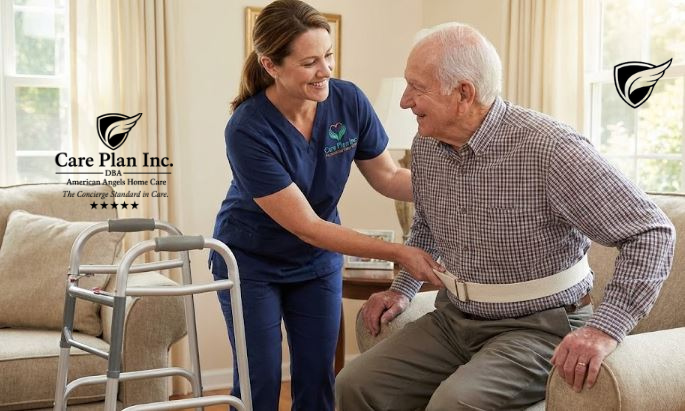
For distinguished families in Southeast Michigan, the concept of aging in place is not merely a preference. It is a commitment to maintaining a lifetime of achievement and social connection. Whether managing a historic estate in Grosse Pointe or a modern residence in Bloomfield Hills, the goal remains the same. Seniors want to live independently in the environments they love. However, the transition from total independence to requiring home safety senior care is often complicated by environmental risks and physical decline. In 2026, achieving longevity at home requires more than just good intentions. It demands a clinical framework that prioritizes safety through professional oversight and the ability to support daily routines seniors.
At Care Plan Inc., we advocate for a nurse-led private duty home care model. This concierge approach ensures that every aspect of the daily routine is governed by clinical authority. In Michigan, where the non-medical home care market is largely unregulated, the presence of a licensed Registered Nurse to oversee caregivers is the critical differentiator. It separates basic companionship from professional health management. This guide provides a high-authority roadmap for families in Oakland and Wayne Counties seeking to fortify their parent’s home for long-term safety and independence.
The Clinical Imperative: Why Safety Audits Save Lives
Home safety is the foundation of any successful aging-in-place strategy. According to the Centers for Disease Control and Prevention, falls are the leading cause of injury and death for older adults in the United States. Every second of every day, an older adult falls. Many of these falls occur in the home due to identifiable and correctable environmental hazards. A proactive clinical audit is the first step in preventing the revolving door of hospitalizations that often characterizes senior decline. In cities like Birmingham and Troy, high-value homes often feature grand designs that may inadvertently hide these hazards from the untrained eye.
The Role of the Registered Nurse in Safety Assessments
Unlike standard companion agencies that send a salesperson to perform a home walkthrough, a nurse-led model utilizes a licensed clinical professional. The Registered Nurse evaluates the senior’s physical gait, their cognitive awareness, and the environment simultaneously. This multi-factor assessment identifies subtle risks. For example, a senior in Northville may have a high-entry bathtub that was safe five years ago but now represents a catastrophic fall risk due to changes in their balance. The nurse identifies these gaps and prescribes specific environmental modifications that align with the senior’s health status.
Fortifying the Southeast Michigan Residence
High-end homes in communities like West Bloomfield, Novi, and the Grosse Pointes often feature complex layouts. While architecturally beautiful, features like winding staircases, sunken living rooms, and heavy rugs can become obstacles as mobility shifts. Home safety senior care involves modifying these spaces to support the senior’s current physical reality without sacrificing the aesthetic of the home.
To effectively support daily routines seniors, it is crucial to integrate safety modifications that enhance their living environments while promoting independence.
The Bathroom: The Zone of Highest Risk
The National Institute on Aging identifies the bathroom as the most dangerous room in the house. The combination of hard surfaces, moisture, and the physical strain of transfers makes it a primary site for injuries. A clinical safety plan often includes the installation of industrial-grade grab bars. These must be anchored into the studs of the wall rather than relying on suction. Raised toilet seats are also essential. They reduce the distance a senior must lower themselves, which prevents dizziness or loss of balance upon standing. For many families in Grosse Pointe Park, non-slip floor treatments can be applied to marble or tile floors to increase traction without changing the appearance of the stone.
Lighting and Visibility Protocols
As the eyes age, the ability to perceive depth and contrast diminishes. Poor lighting is a major contributor to nighttime falls. Families should implement motion-activated lighting in hallways and bathrooms. This ensures that if a senior wakes up in the middle of the night, their entire path is illuminated automatically. This reduces disorientation and allows for safer navigation. Bright bulbs with high color rendering indexes are also recommended to help seniors distinguish between different surface heights, such as thresholds or single steps.
The Importance of Daily Routines for Senior Longevity
Maintaining a structured daily routine is one of the most effective ways to manage stress and improve health outcomes for seniors. For independent seniors in Troy or Rochester Hills, a routine provides a sense of purpose and cognitive anchoring. When a senior knows what to expect each hour, their anxiety levels drop, and their sleep quality improves. This is especially vital for those in the early stages of cognitive decline.
How Routines Promote Physical Health
Daily routines ensure that basic health needs are met consistently. This includes regular times for physical activity, which helps maintain mobility and reduces the risk of chronic diseases. For many Michigan seniors, winter months can lead to a sedentary lifestyle. A professional routine incorporates indoor stretching or mobility exercises to keep joints flexible. Furthermore, routines that incorporate healthy eating habits improve overall nutrition. When a senior has a set schedule for meals, they are less likely to skip them or rely on processed snacks.
| Routine Component | Clinical Benefit | Nurse-Led Oversight |
|---|---|---|
| Scheduled Hydration | Prevents delirium and UTIs. | Monitoring by caregiver. |
| Morning Mobility | Reduces stiffness and fall risk. | RN-designed exercise plan. |
| Medication Cues | Ensures therapeutic levels. | Reminders and adherence tracking. |
| Social Engagement | Maintains cognitive reserve. | Managed social calendar. |
The Nurse-Led Private Duty Model: Managed Wellness
Daily support is a cornerstone of independent living. However, not all support is created equal. Families often choose between hiring a sitter or engaging a clinical agency. For high-net-worth families who require a high standard of care, the nurse-led private duty model is the gold standard. This model ensures that the senior is not just supervised, but is being managed as a patient with specific wellness goals.
Oversight and Clinical Triage
When a caregiver is supervised by a Registered Nurse, they are trained to spot micro-changes in health. A slight decrease in appetite, a minor change in skin color, or a subtle shift in verbal clarity can be early indicators of a urinary tract infection or respiratory distress. In a nurse-led framework, these issues are triaged immediately. This often prevents emergency room visits that frequently lead to permanent facility placement. This clinical bridge is the cornerstone of quality care in communities like Grosse Pointe Farms and Bloomfield Hills.
Medication Adherence vs. Administration
Medication mismanagement is a leading cause of preventable hospitalizations for seniors. In a non-medical private duty setting, caregivers provide medication reminders. They do not perform administration. They ensure the senior takes the correct dose at the correct time as outlined in the nurse-developed care plan. The supervising nurse monitors the medication log and coordinates with the family and physician if side effects or refusal occur. This ensures that therapeutic levels of medication are maintained, which is critical for managing conditions like hypertension or heart failure.
Nutritional Management and Hydration
Adequate nutrition is essential for seniors to support their daily activities and overall well-being. As people age, their nutritional needs change. It becomes crucial to focus on the quality of their diet to maintain health and independence. Seniors in Oakland County often have access to high-quality fresh foods, but they may lack the energy or desire to prepare them. Professional daily support addresses this gap.
Meal Planning for Optimal Health
Effective meal planning considers the senior’s dietary needs and preferences. A balanced diet rich in fruits, vegetables, whole grains, and lean proteins helps manage chronic conditions. For a senior recovering from a procedure at Henry Ford or Corewell Health, protein intake is especially important for tissue repair. Caregivers manage grocery shopping and meal preparation, making healthy eating a seamless part of the daily routine. This reduces the cognitive burden on the senior and ensures they are properly fueled for the day.
The Critical Role of Hydration
Staying hydrated is a constant struggle for many older adults. Dehydration can lead to confusion, falls, and kidney issues. Seniors often lose their thirst reflex, meaning they may not feel thirsty even when they are significantly dehydrated. Professional caregivers provide regular hydration cues throughout the day. Monitoring for signs of dehydration, such as dark urine or dry mouth, is a key responsibility of the care team. This proactive approach maintains the senior’s electrolyte balance and cognitive clarity.
Cognitive Activities to Encourage Engagement
Supporting independence is not just about physical safety. It is also about mental acuity. Encouraging seniors to participate in cognitive stimulation activities is essential for promoting their mental well-being. Cognitive activities play a crucial role in maintaining mental sharpness and supporting overall brain health.
Brain Games, Puzzles, and Reading
Engaging in brain games like crosswords, Sudoku, and jigsaw puzzles is an effective way to challenge the mind. These activities provide significant cognitive benefits and can help in delaying the onset of cognitive decline. Reading is also a powerful tool. Whether it is the daily newspaper or a classic novel, reading helps maintain language skills and concentration. Professional companions encourage these activities as part of the daily schedule, ensuring the senior remains intellectually active.
Lifelong Learning and Social Clubs
Many seniors in Birmingham and Northville are lifelong learners. Participating in social clubs or educational workshops provides opportunities for social interaction. This is crucial for mental health. Isolation is a major driver of depression in seniors. By facilitating attendance at local community events or senior centers, the care team helps combat loneliness and maintains the senior’s social neural pathways. This holistic approach to home safety senior care recognizes that a connected senior is a safer senior.
Integrating Technology for a Secure Home
In 2026, technology is a vital component of independent living. However, technology is most effective when it is part of a managed ecosystem. Professional agencies like Care Plan Inc. integrate these tools into the senior’s daily routine to provide a continuous safety net that complements human supervision.
The Smart Home Safety Net
For seniors in Birmingham or Troy, smart home devices provide significant independence. More advanced tools include fall detection sensors that do not require the senior to wear a pendant. These sensors use radar or artificial intelligence to detect an impact and alert the supervising nurse immediately. This ensures that help is dispatched even if the senior is unable to call for it themselves. Other tools include automatic medication dispensers that lock and unlock at set times, preventing double-dosing or missed prescriptions.
Telehealth Coordination
Telehealth allows seniors to consult with specialists without the physical strain of traveling to a clinic. A professional caregiver can facilitate these virtual visits. They take notes and ensure that the physician’s recommendations are immediately integrated into the daily home care plan. This level of coordination ensures that the senior’s medical team remains fully informed of their status at home, creating a unified approach to wellness.
Protecting Family Wealth and Legal Interests
Choosing a care provider is also a financial and legal decision. Many families in high-net-worth communities consider hiring independent caregivers to save on costs. However, this model carries significant risks. According to the Internal Revenue Service, most independent caregivers are classified as household employees. This means the family is responsible for payroll taxes, FICA, and workers’ compensation insurance.
The Agency Advantage: Liability Mitigation
Engaging with a professional agency like Care Plan Inc. transfers this liability to the provider. We directly employ our staff, manage all taxes, and provide comprehensive professional liability insurance. This protects the family estate from legal suits in the event of an on-the-job injury or a medical error. For seniors in Grosse Pointe or Bloomfield Hills, this protection of family assets is just as critical as the protection of their physical health. It provides a level of professional discretion and security that independent hiring cannot offer.
Conclusion: Moving from Crisis to Coordination
Supporting a senior’s independence and daily routine is a proactive strategy that requires professional coordination. By choosing a nurse-led private duty model, families in Southeast Michigan are investing in the safety, dignity, and longevity of their loved ones. Whether your parent is in Birmingham or the Grosse Pointes, the key is to move from reactive crisis management to proactive wellness. Do not wait for a fall or a medical emergency to define your parent’s care plan. Take the lead today by engaging with professionals who prioritize clinical precision and the concierge experience.
If you are ready to explore how a managed, professional approach can help your parent age in place with grace, the first step is a clinical evaluation. You can start an intake today to have a professional nurse assess your home and your loved one’s specific needs.
Frequently Asked Questions
Does Medicare pay for home safety modifications?
Generally, Medicare does not pay for long-term home safety modifications or custodial care. Medicare is designed for short-term medical events. Most families fund these safety upgrades privately as part of a long-term aging-in-place strategy. Some Medicare Advantage plans in Michigan may offer limited supplemental benefits for specific safety items.
What is the most important home safety upgrade for a senior?
Lighting is often the most impactful upgrade. Ensuring that hallways, stairwells, and bathrooms are brightly and evenly lit can prevent the majority of nighttime trips and disorientation. This is especially true for seniors with vision issues or early-stage cognitive decline. Motion-activated lighting is the gold standard for prevents nighttime mishaps.
How is a nurse-led agency different from a registry?
A registry is a matchmaking service that connects you with independent contractors. You remain the employer and assume all legal and clinical risk. A nurse-led agency like Care Plan Inc. employs the staff directly and utilizes licensed Registered Nurses to supervise every aspect of the care. This provides a layer of clinical authority that registries do not offer.
How do I know if it is safe for my parent to live alone?
A clinical assessment by a Registered Nurse is the only objective way to determine safety. The nurse evaluates mobility, cognitive clarity, and environmental risks to provide a professional recommendation. The Michigan Department of Health and Human Services also provides resources for senior advocacy and home safety that can be utilized by families.
Can a caregiver provide medication reminders for high-risk drugs?
Yes. Caregivers are trained to provide prompts for all prescribed medications. The nurse-led care plan ensures the caregiver is prompting the senior at the exact times prescribed. This prevents the confusion that often leads to dosing errors or double-dosing, which can be dangerous for seniors with complex health profiles.

