
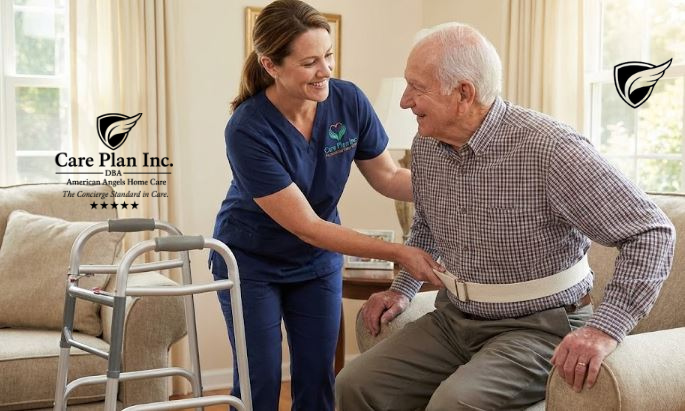
For distinguished families in Southeast Michigan, spanning the historic waterfront estates of Grosse Pointe to the refined neighborhoods of Bloomfield Hills and Birmingham, the greatest risk to a senior’s independence is not aging itself. It is the lack of a structured plan. Most home care arrangements begin in the middle of a crisis, such as a late night fall or a sudden hospital discharge. At that point, choices are limited and stress levels are at their peak. Care planning before emergency events occur allows a family to implement a sophisticated clinical safety net that preserves the senior’s lifestyle and dignity. In 2026, proactive families are moving away from reactive “sitting” services in favor of a concierge, nurse led model that prioritizes long term stability.
At Care Plan Inc., we advocate for a nurse led private duty home care model. This approach ensures that every detail of the senior’s daily routine is governed by clinical authority. In Michigan, where the non medical home care market is largely unregulated, the presence of a licensed Registered Nurse to develop and supervise care is the critical differentiator. It separates basic companionship from professional health management. This guide explores the essential steps of planning ahead to ensure that your loved one in Oakland or Wayne County remains safe, comfortable, and independent.
The Anatomy of a Care Emergency
A care emergency usually follows a “trigger event.” This might be a hip fracture, a cardiovascular episode, or a period of acute delirium caused by an untreated infection. When these events happen, the family is often forced to make permanent decisions about facility placement or 24/7 care within hours. According to clinical data, seniors who transition home from a hospital like Henry Ford or Corewell Health without a pre established plan are significantly more likely to be readmitted within thirty days.
The Cost of Waiting
Waiting for a crisis means you lose the ability to vet caregivers properly or modify the home environment for safety. It often results in a “forced” move to an assisted living facility, which can be traumatic for a senior who has lived in their Birmingham or Troy residence for decades. Proactive planning allows you to introduce support gradually, helping the senior acclimate to the presence of a professional before they become physically or cognitively vulnerable.
The Nurse Led Advantage: Clinical Oversight and Authority
What distinguishes an elite care plan is the level of professional oversight. Many agencies operate as “registries,” simply matching families with independent contractors. A nurse led model, however, treats home care as a clinical discipline. This is vital for families in Southeast Michigan who demand a higher standard of coordination.
Proactive RN Assessments
The foundation of a safe aging in place strategy is a multi factor assessment performed by a licensed Registered Nurse. This assessment evaluates four primary domains:
- Physical Gait and Balance: Identifying fall risks by evaluating the senior’s mobility and transfer abilities.
- Cognitive Function: Establishing a baseline for memory and executive function to track changes over time.
- Medication Adherence: Reviewing schedules to identify potential side effects like dizziness or confusion.
- Environmental Safety: Auditing the residence for hazards like poor lighting or slippery surfaces.
The National Institute on Aging (NIA) emphasizes that the ability to age in place safely depends on the integration of support systems that match the individual’s specific health profile. A nurse led assessment provides the objective data needed to build that system.
Assessing Functional Independence: Early Markers of Decline
To avoid a care emergency, families must be attuned to the subtle markers of functional decline. These are often social or behavioral shifts that happen long before a physical injury. For families in Northville or West Bloomfield, recognizing these “red flags” is the signal to begin the planning process.
The Disruption of Daily Rituals
Look for changes in “Instrumental Activities of Daily Living” (IADLs). Is the senior in Grosse Pointe Shores struggling to manage their finances? Are there unopened bills or signs of neglected home maintenance? Is the refrigerator filled with expired food? These are indicators that the cognitive load of managing a household is becoming too great. Introducing care planning before emergency happens allows a family to bring in a “household manager” or concierge caregiver to handle these burdens, preserving the senior’s energy for social and physical activities.
| Observation | Potential Risk | Proactive Clinical Response |
|---|---|---|
| Weight Loss | Nutritional deficiency or illness | Managed meal prep and RN health review |
| Social Withdrawal | Depression or early cognitive decline | Professional companionship and engagement |
| Frequent Bruising | Unreported falls or balance issues | RN Gait assessment and 1:1 standby support |
| Missed Medications | Clinical instability | Structured reminders overseen by nursing |
The Financial and Legal Foundation of Private Care
Planning ahead also involves securing the financial and legal structures that fund care. For many families in Southeast Michigan, this means leveraging Long Term Care Insurance (LTCI) or protecting family assets through professional employment models. Choosing a care provider is a financial and legal decision that impacts the family estate.
Leveraging Long Term Care Insurance
To trigger LTCI benefits, the senior must usually require help with at least two Activities of Daily Living (ADLs). Insurance companies require rigorous clinical documentation to approve these claims. A nurse led agency like Care Plan Inc. provides the structured nursing notes and RN assessments that satisfy these insurers, ensuring the family receives the benefits they have paid for over the years. Proactive planning ensures you have a provider who knows how to navigate the insurance landscape.
Protecting the Family from Liability
Many families consider hiring independent “private” caregivers to save on costs. However, this model carries immense legal and financial risk. According to the IRS Publication 926, most individual caregivers are household employees. This means the family is responsible for payroll taxes, FICA, and workers’ compensation. Engaging with a professional agency transfers this liability to the provider. We directly employ our staff, manage all taxes, and provide comprehensive professional liability insurance. This protects the family estate from legal suits in the event of an on the job injury.
Creating an Adaptive Care Plan
A care plan should never be a static document. It must be a dynamic health strategy that evolves as the senior’s needs change. Proactive planning allows the family to start with “minimum effective support”—perhaps 12 to 20 hours of companionship a week—and scale up to 24/7 oversight only when clinically necessary.
The Role of Behavioral De-escalation
For seniors with memory loss, the plan must include specialized strategies for managing anxiety and “sundowning.” A nurse led approach utilizes behavioral de-escalation techniques that keep the senior calm and oriented. This allows them to remain in the comfort of their home rather than being relocated to a high stress memory care unit. If you are seeing these signs, the most effective next step is to start an intake to begin a clinical evaluation of your needs.
Environmental Fortification: The Home Safety Audit
A primary goal of care planning before emergency is the mitigation of environmental risks. A house that was safe for a 70 year old can be a maze of hazards for an 85 year old. A nurse led safety audit identifies necessary modifications to the residence in Bloomfield Hills or Troy before a fall occurs.
Essential Safety Modifications
- Lighting Optimization: Installing motion activated lighting in hallways and bathrooms to prevent nighttime disorientation.
- Bathroom Safety: Installing industrial grade grab bars and raised toilet seats to reduce physical strain.
- Path Clearance: Removing area rugs and securing electrical cords that disrupt walking patterns.
- Smart Home Integration: Utilizing fall detection sensors and automated medication dispensers as a secondary safety net.
Conclusion: The Path to Clinical Peace of Mind
Planning for care is an act of respect for the senior’s history and a commitment to their future. By choosing a nurse led private duty model, families in Southeast Michigan are investing in a wellness strategy that prioritizes clinical precision and the concierge experience. Proactive coordination allows the senior to remain the master of their own home while providing the family with much needed peace of mind. Do not wait for a medical emergency to define your parent’s care plan. Take the lead today by engaging with professionals who understand the nuances of aging in place with dignity. Proactive planning is the single most important factor in a successful senior care journey.
Frequently Asked Questions
What is the first step in care planning before an emergency?
The first step is a clinical assessment by a licensed Registered Nurse. This provides an objective baseline of the senior’s physical and cognitive health. It allows you to identify risks before they result in a medical crisis.
Does Medicare pay for proactive home care?
No. Medicare is designed for short term medical recovery after a hospitalization. Long term “custodial” care, which includes safety supervision and help with daily activities, is typically private pay or covered by long term care insurance (LTCI).
How is a nurse led model different from a registry?
A registry is a “matchmaking” service that connects you with independent contractors. You remain the employer and assume all legal risk. A nurse led agency like Care Plan Inc. employs the staff directly and utilizes licensed Registered Nurses to supervise every aspect of the care.
How do I know if it is safe for my parent to stay at home?
A clinical assessment by an RN is the only objective way to determine safety. The nurse evaluates mobility, cognitive clarity, and the home environment to provide a professional recommendation on whether aging in place is a viable long term strategy.
Can a caregiver provide medication reminders for high risk drugs?
Yes. Caregivers are trained to provide prompts for all prescribed medications. The nurse led care plan ensures the caregiver is prompting the senior at the exact times prescribed, preventing the confusion that often leads to dosing errors.
If you would like to learn whether nurse led private duty care is the right choice for your family’s planning needs, please request more information below.

