
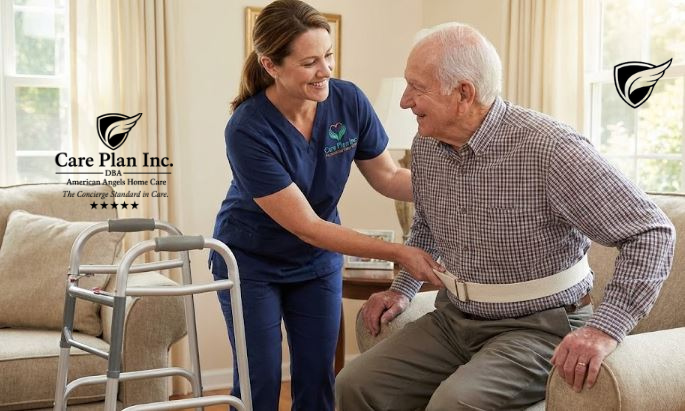
For distinguished families in Southeast Michigan, spanning the refined neighborhoods of Bloomfield Hills and Birmingham to the historic waterfront estates of Grosse Pointe, the decision to implement home care is a pivotal life transition. It represents a commitment to preserving a hard-earned lifestyle while ensuring the safety and dignity of an aging parent. Private duty care Michigan services provide the essential framework that allows seniors to remain in their own homes, surrounded by the cognitive anchors that provide security. In 2026, the standard for elite home support has moved beyond basic companion services. It now encompasses a sophisticated model that prioritizes clinical safety and professional coordination.
At Care Plan Inc., we recognize that starting this process can feel overwhelming. We advocate for a nurse-led private duty home care approach. This ensures that every aspect of the senior’s daily routine is governed by clinical authority. In Michigan, where the non-medical home care market is largely unregulated, the presence of a licensed Registered Nurse to develop and supervise care is the critical differentiator. It separates basic companionship from professional health management. This guide provides a high-authority roadmap for families in Oakland and Wayne Counties who require a concierge level of coordination to ensure their loved ones age in place with grace.
The Michigan Care Landscape: Regulatory Realities
Understanding the landscape of private duty care Michigan requires an awareness of how these services are governed. Unlike many other states, Michigan does not require a specific state license for agencies that provide non-medical personal care. This means that any individual or entity can market themselves as a home care provider. This lack of regulation places a significant burden of due diligence on the family to verify the quality and safety of the provider.
The Risks of Unregulated Support
When you hire an independent caregiver or a “registry” service that does not provide nurse oversight, you assume the role of the clinical manager. You become responsible for identifying subtle changes in health status, managing medication schedules, and evaluating environmental safety. For busy professionals or adult children balancing their own families, this is often an unsustainable burden. A nurse-led model removes this risk by placing a clinical professional at the helm of the care team, providing the authoritative oversight that the Michigan market lacks by default.
Step 1: The Multi-Factor RN Assessment
The first and most critical step in getting started is a comprehensive clinical assessment. Many agencies send a salesperson to conduct a “walkthrough,” but an elite service utilizes a licensed Registered Nurse. A nurse looks beyond the chores to see the physiological and neurological markers that dictate safety and stability. This assessment provides the objective baseline needed to build a successful plan of care.
Evaluating Physical and Cognitive Acuity
The assessment in a Northville or Troy home typically evaluates four primary domains:
- Physical Gait and Balance: Identifying fall risks by evaluating the senior’s mobility and transfer abilities.
- Cognitive Function: Establishing a baseline for memory and executive function to track changes over time.
- Pharmaceutical Compliance: Reviewing the medication regimen to identify potential side effects like dizziness.
- Environmental Hazards: Auditing the residence for risks such as poor lighting or slippery surfaces.
According to the National Institute on Aging (NIA), the ability to age in place safely depends on the integration of support systems that match the individual’s specific health profile. A nurse-led assessment provides the clinical data required to tailor the care to these exact needs.
Step 2: Defining the Scope of Services
Once the clinical baseline is established, the next step is to define the level of support required. Private duty care Michigan services are highly scalable, ranging from a few hours of companionship to 24/7 awake supervision. The goal is to provide the “minimum effective dose” of care that ensures safety without stripping the senior of their autonomy.
Personal Care and Hygiene
Maintaining hygiene is essential for both physical health and dignity. Caregivers provide steadying assistance with bathing, dressing, and grooming. For a senior in West Bloomfield with arthritis or limited range of motion, this support prevents the “hygiene neglect” that often leads to social withdrawal and depression. These tasks are performed with a focus on “active” caregiving, where the senior is encouraged to do as much as they can independently while the caregiver provides the safety net.
Nutritional Management and Hydration
Malnutrition and dehydration are primary causes of clinical decline in the elderly. Professional caregivers manage grocery shopping at premium local markets and prepare fresh, balanced meals tailored to the senior’s dietary needs, such as low-sodium or diabetic protocols. Maintaining strict hydration is a priority, as chronic dehydration is a leading driver of nighttime confusion and falls. Under the direction of the supervising nurse, these daily tasks are elevated to health maintenance protocols.
| Care Category | Primary Responsibility | Clinical Goal |
|---|---|---|
| Safety | 1:1 Standby Supervision | Zero falls and wandering prevention |
| Nutrition | Meal Prep and Hydration | Metabolic stability and strength |
| Medication | Reminders and Logistics | 100% adherence to MD protocols |
| Social | Companionship and Outings | Maintenance of cognitive reserve |
Step 3: Vetting the Employment Model
Families in Grosse Pointe and Bloomfield Hills must choose between hiring an independent “private” caregiver or engaging a professional agency. This is a critical legal and financial decision that impacts the family estate. Understanding the differences between these models is essential for long-term planning.
The Liability of Independent Hiring
Hiring an independent caregiver makes you the employer of record. This means the family is responsible for payroll taxes, FICA, and most importantly, workers’ compensation insurance. If an independent caregiver is injured in your Birmingham home while performing a transfer, the family estate could be liable for medical expenses and lost wages. According to the IRS Publication 926, most household workers are classified as employees, not independent contractors.
The Agency Model: Security and Backup
Engagement with a professional agency like Care Plan Inc. transfers this liability to the provider. We directly employ our staff, manage all taxes, and provide comprehensive professional liability insurance. Furthermore, an agency provides backup redundancy. If your assigned professional is ill, the agency provides a trained replacement who is briefed on your parent’s specific care plan. This ensures that the senior is never left without support, a level of security that independent hiring cannot offer.
If you are ready to evaluate a clinical, concierge approach for your family, the most effective next step is to start an intake to speak with a clinical coordinator.
Step 4: Managing the Transition and Integration
The introduction of a caregiver into a private home is a delicate process. Successful integration depends on clear communication and a focus on the senior’s personality. Proactive families use the first few weeks to build rapport and adjust the daily routine.
Framing the Support Correctly
For seniors who value their independence, “home care” can feel like a loss of control. We often suggest framing the caregiver as a “personal assistant” or a “household concierge” who handles the heavy lifting of the house, allowing the senior to focus on their preferred hobbies and social activities. Having a professional Registered Nurse perform the initial assessment often frames the care as a clinical recommendation for wellness rather than an outsourced family duty, which is easier for many seniors to accept.
The Role of Behavioral De-escalation
For seniors with memory loss, the care plan must include specialized strategies for managing anxiety and sundowning. A nurse-led approach utilizes behavioral de-escalation techniques that keep the senior calm and oriented. This allow them to remain in the comfort of their home rather than being relocated to a high-stress memory care unit. The Alzheimer’s Association emphasizes that maintaining a consistent routine in a familiar environment is one of the most effective non-pharmacological interventions for dementia.
Step 5: Monitoring Progress and Clinical Triage
Private duty care is not a “set it and forget it” service. It is a dynamic health strategy that must evolve as the senior’s needs change. In a nurse-led model, personalization is a continuous feedback loop.
Ongoing RN Supervision
When a caregiver is supervised by an RN, they are trained to spot micro-changes in health. A slight decrease in appetite, a minor change in skin color, or a subtle shift in verbal clarity can be early indicators of a urinary tract infection (UTI) or respiratory distress. In a nurse-led framework, these issues are triaged immediately, often preventing the emergency room visits that Medicare.gov tracks as indicators of poor care quality. This clinical bridge is the cornerstone of high-quality private duty care Michigan services.
Financial Planning: Long-Term Care Insurance and Private Pay
Understanding the funding landscape is essential for long-term sustainability. While basic social support is funded privately, many families in Oakland and Wayne Counties utilize strategic financial vehicles to manage costs.
Leveraging Long-Term Care Insurance (LTCI)
To trigger LTCI benefits, the senior must usually require help with at least two Activities of Daily Living (ADLs). Insurance companies require rigorous clinical documentation to approve these claims. A nurse-led agency provides the structured nursing notes and RN assessments that satisfy these insurers, ensuring the family receives the benefits they have paid for over the years. Proactive planning ensures you have a provider who knows how to navigate the insurance landscape.
Tax Considerations
In many cases, medically necessary home care expenses may be tax-deductible. We recommend consulting with a tax professional in the Southeast Michigan area to see how private duty care fits into your overall financial strategy. The IRS Publication 502 provides guidance on medical and dental expenses that may apply to your situation.
Conclusion: Moving from Crisis to Coordination
Getting started with private duty care Michigan services is an act of respect for the senior’s history and a commitment to their future. By choosing a nurse-led private duty model, families in Southeast Michigan are investing in a wellness strategy that prioritizes clinical precision and the concierge experience. Proactive coordination allows the senior to remain the master of their own home while providing the family with much-needed peace of mind. Do not wait for a medical emergency to define your parent’s care plan. Take the lead today by engaging with professionals who understand the nuances of aging in place with dignity. Proactive planning is the single most important factor in a successful senior care journey.
Frequently Asked Questions
Is home care in Michigan regulated?
Michigan does not require a specific state license for agencies providing non-medical in-home care. This makes it critical to choose an agency that utilizes licensed Registered Nurses to oversee care, as this provides a layer of clinical authority and safety that the state does not mandate.
Does Medicare cover private duty care?
No. Medicare is designed for short-term medical recovery after a hospitalization. Long-term custodial care, which includes safety supervision and help with daily activities, is typically private pay or covered by long-term care insurance (LTCI).
How is a nurse-led agency different from a registry?
A registry is a matchmaking service that connects you with independent contractors. You remain the employer and assume all legal risk. A nurse-led agency like Care Plan Inc. employs the staff directly and utilizes licensed Registered Nurses to supervise every aspect of the care.
How do I know if it is safe for my parent to stay at home?
A clinical assessment by an RN is the only objective way to determine safety. The nurse evaluates mobility, cognitive clarity, and the home environment to provide a professional recommendation on whether aging in place is a viable long-term strategy.
Can a caregiver provide medication reminders for high-risk drugs?
Yes. Caregivers are trained to provide prompts for all prescribed medications. The nurse-led care plan ensures the caregiver is prompting the senior at the exact times prescribed, preventing the confusion that often leads to dosing errors.
If you would like to learn whether nurse-led private duty care is the right choice for your family’s planning needs, please request more information below.